
Breakfast at at local gastropub
Guggenheim Museum
Cafe Iruña
Cortes Ingles
Nice nap

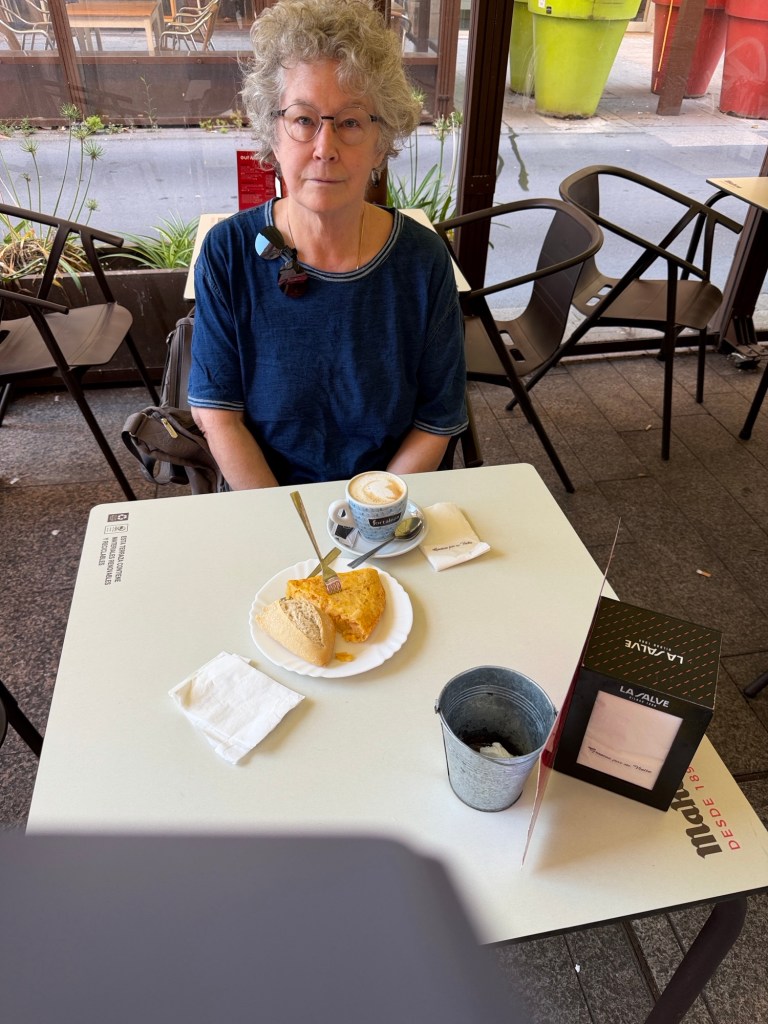
A very Spanish breakfast

Not one of our favorites by a long long shot. A very large exhibit with an enormous number of wire turnings very few of interest to us, but it was the major exhibits.
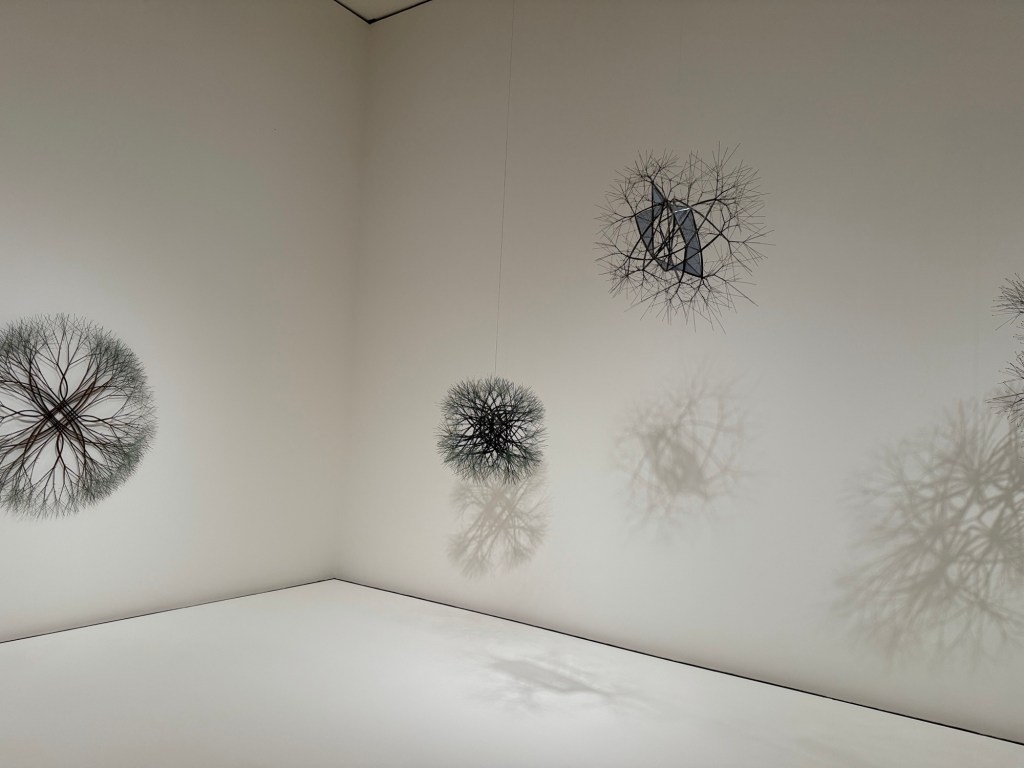

This may be the largest retrospective of his. I’m not a big fan, but I really like this particular piece. I suspect he would’ve colored it different today
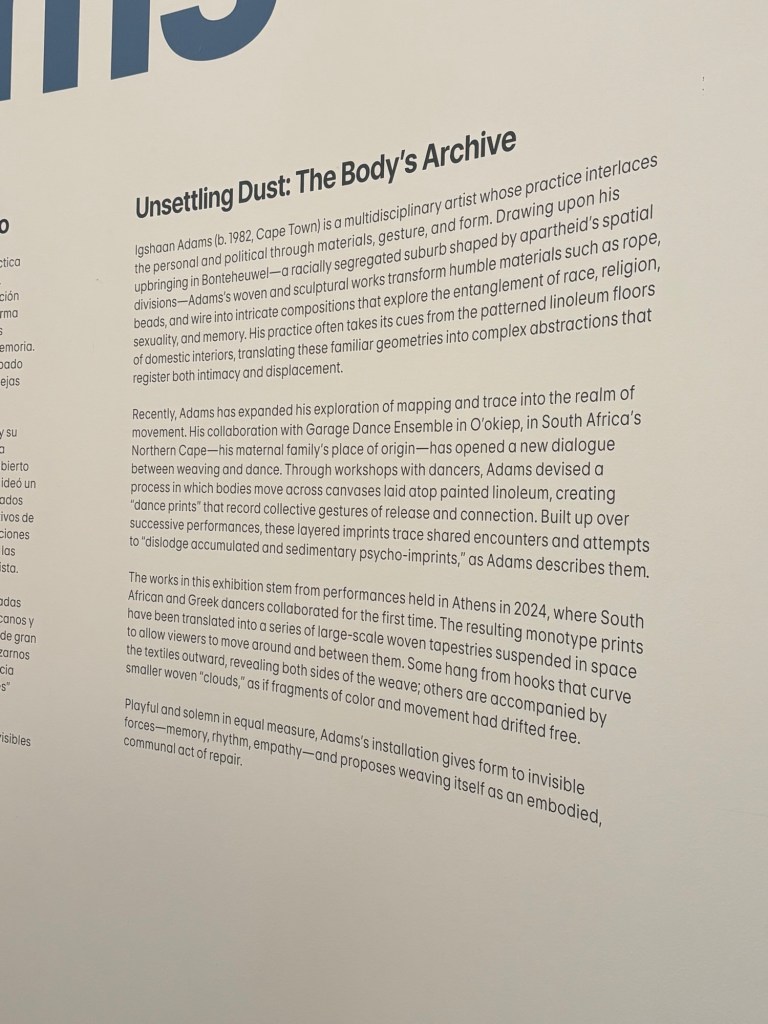
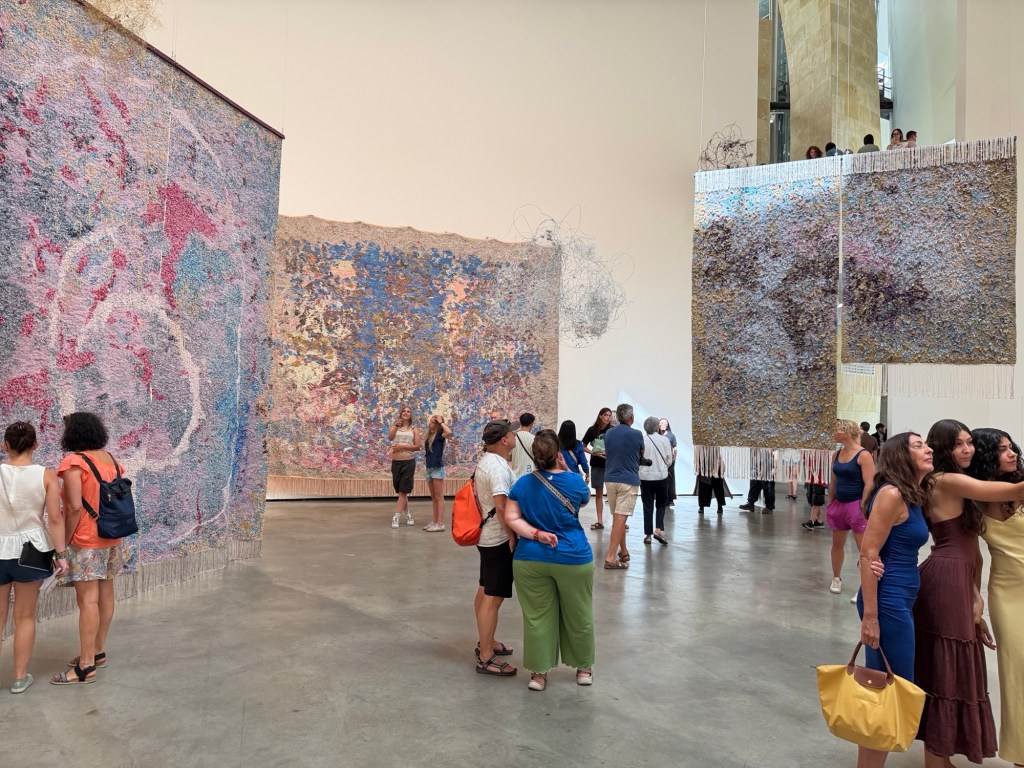
This was an exceptionally interesting exhibit of double-sided, carpets, mostly high, hung on the walls, but some in the middle of the room. Incredibly detailed bead work metal work fabric on, and on the summary above, gives some hint of it. 


Seen at one of the many shops in this bustling town 

We’ve seen this exhibit a few times and a few different museums never from this view.
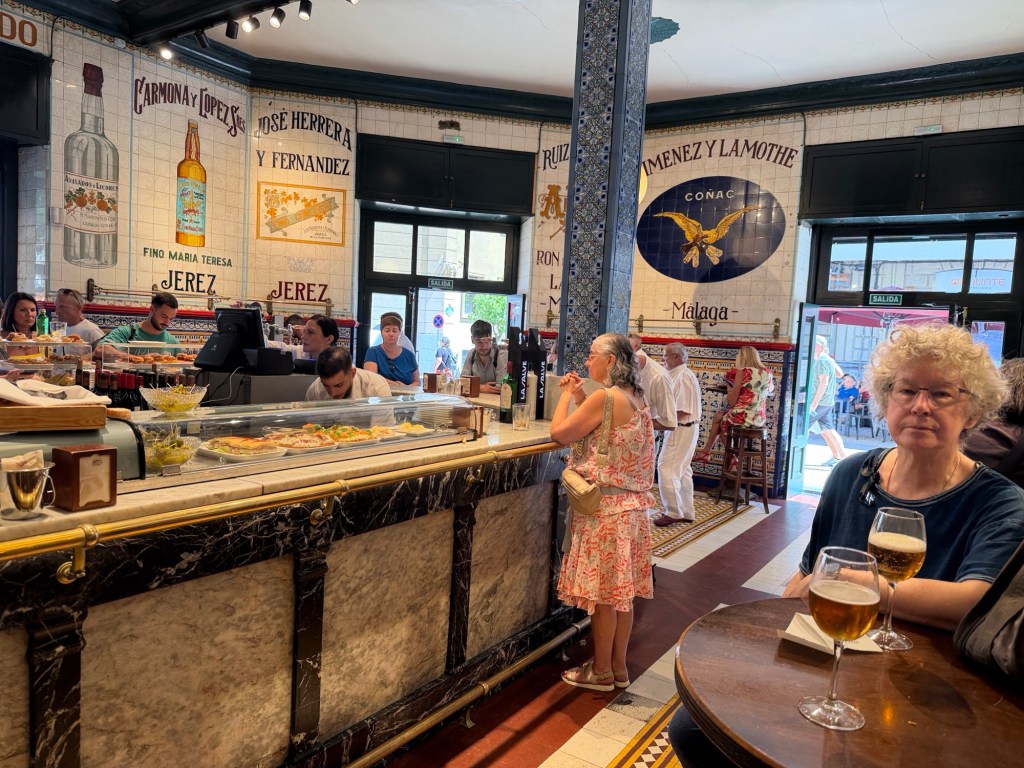
This café is so old and so important to the local culture. It is on every tourist map. We ran into it on previous visits and had to come back. my impression has not changed. Is that it caters to the locals and is moderately rude and inconsiderate when trying to order from them on a system that requires local knowledge. I found a menu online but not in the place for example
——-interlude——
Breaking news, breaking news, breaking news: many know of my interest in phages.
Scientists have used artificial intelligence to design new viruses that don’t occur in nature and can infect bacteria, according to a study published yesterday. The breakthrough could accelerate efforts to fight antibiotic-resistant infections by creating customized viruses.
The researchers trained AI models on the genetic blueprints of roughly 2 million bacteriophage—viruses that infect bacteria, not humans—before building thousands of new viral designs. Lab testing showed 16 AI-made viruses killed E. coli, including strains resistant to naturally occurring phages. The work could help advance phage therapy, an experimental alternative to antibiotics, as drug-resistant infections are expected to kill roughly 40 million people worldwide by 2050. Researchers caution that increasingly powerful AI tools raise biosafety and biosecurity questions.
Bacteriophages are the most abundant biological entities on Earth, including in the human body. More than 10 nonillion bacteriophages exist at any given time.
———blog recommences——-

The third stationary store of the day. Much admired, little acquired. this pic from Cortes
Insert pic here of fruit consumed but not pictured. Local Mercado, blueberries, peach, plutot.
Smoking: almost everywhere.


Taken from the high bridge


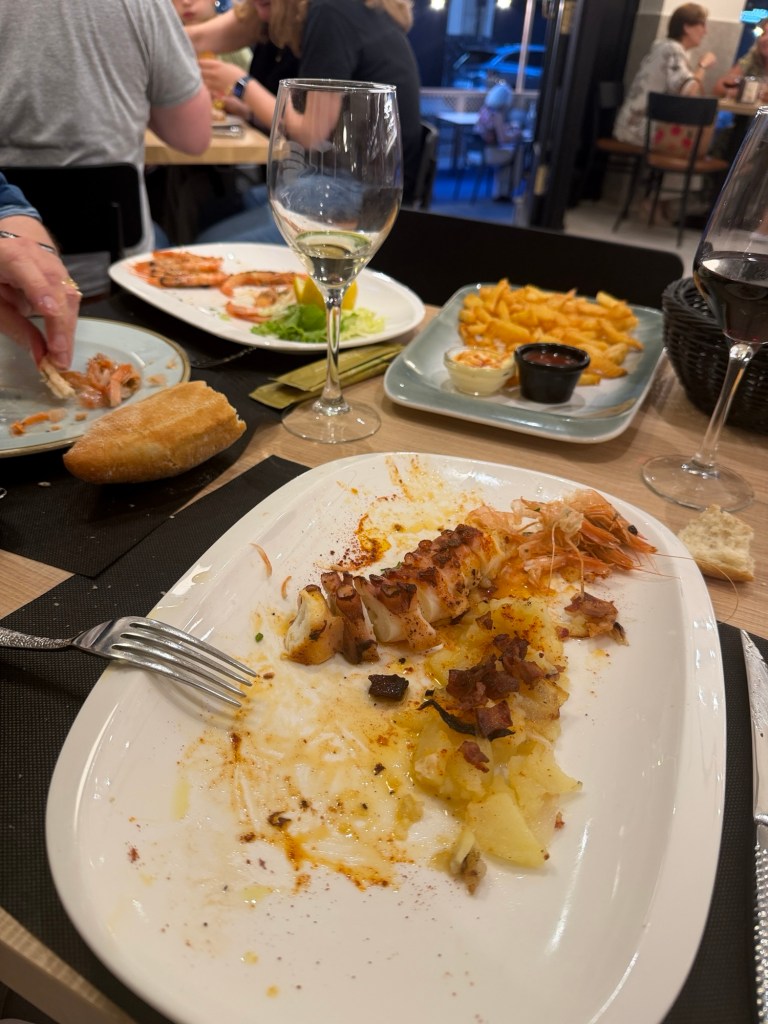
Looks more like Tater Tots brava.
Percebes! Lovely.
Thought you would like them. Good price too.
Brava good Much better in elciego