BSMA Virginia Beach

An interesting recipe. It is closely related to the technique I now use to
make 7-grain bread.

Here's why: the raisin bran, once dampened becomes essentially cooked
grains, or porridge. Having already been cooked prior to mixing with the
flour, the porridge grains are soft and broken down. So when the dough
rises, there aren't so many sharp edges to tear the rising fiber of dough.
This means it rises nice and high.

However, and I'm sure this is just an oversight, the recipe sent won't make
scones. It will make stones. A bit of baking powder will remedy this.

-Bob

On 10/14/07, boogkb@tmo.blackberry.net wrote:
>
> 12 Oct.
>
> Infrequent ferry delayed getting to Virginia. Had time to discuss making
> stained glass pieces, a hobby of the B&B owner, wine making using duprat
> zin grape.
>
> The grape is a slow growing one, 24 brix.
>
> A recipe for those so inclined. The scones, as well as other real goodies,
> were very special.
>
> Raison bran
> Apple sauce
> Sour cream
> A little honey
> Flour
> Eggs
>
> Dinner included crabcakes.
>
> 13 Oct.
>
> Another unplanned "rest" day in Virginia Beach. The next place that we
> can stay (distance and cleanliness) is a Best Western in Exmore. They are
> sold out for Saturday night – fortunatley we called to check. So a rest day
> in a nice place, a Holiday Inn right on the beach. Our balcony is just a
> few feet from the boardwalk and beach. Much much more upscale than Brighton
> Beach.
> Has a good got tub at 104 degrees; almost perfect.
>
>
>
>
>
>

Read and post comments | Send to a friend

Posted in Uncategorized | Comments Off on BSMA Virginia Beach

BSMA Virginia Beach

12 Oct.

Infrequent ferry delayed getting to Virginia. Had time to discuss making stained glass pieces, a hobby of the B&B owner, wine making using duprat zin grape.

The grape is a slow growing one, 24 brix.

A recipe for those so inclined. The scones, as well as other real goodies, were very special.

Raison bran
Apple sauce
Sour cream
A little honey
Flour
Eggs

Dinner included crabcakes.

13 Oct.

Another unplanned "rest" day in Virginia Beach. The next place that we can stay (distance and cleanliness) is a Best Western in Exmore. They are sold out for Saturday night – fortunatley we called to check. So a rest day in a nice place, a Holiday Inn right on the beach. Our balcony is just a few feet from the boardwalk and beach. Much much more upscale than Brighton Beach.
Has a good got tub at 104 degrees; almost perfect.

Read and post comments | Send to a friend

Posted in Uncategorized | Comments Off on BSMA Virginia Beach

BSMA Barco

Thank you, George, for further supporting my point. The small amounts of
bacteria that lurk in cream form the basis of the fermentation of cream for
premium butters. The cheap stuff is helped along by a further inoculation of
regulation bacteria. But George, we already figured that part out. What we
are hoping for from you is some explanation of why adding vegetable oil to
butter raises the temperature at which the milk solids burn.

-Bob

On 10/13/07, Herb Blumstein wrote:
>
> Very comprehensive and practical explanations – thanks! We too add some
> vegetable oil to butter to raise the burning point – or, add butter to
> vegetable oil to improve the taste, which it does.
> Interesting re caramelization of milk solids as opposed to higher heat
> caramelization using ghee for meats and vegetables. Never thought of that
> before.
>
>
> On 10/13/07, Bob Morgen wrote:
> >
> > Now here, I expect, George will be happy to defer to my greater
> > experience.
> >
> > I have made loads of butter at home. All of it by accident.
> >
> > Recipe:
> >
> > Accidental Butter
> >
> > Take any sized container of whipping cream. Put it into an electric
> > mixer and mix at high speed. Walk away to take care of some other pressing
> > matter. Return, and admire your butter.
> >
> > The problem is that it tastes bland. Even with a bit of salt, it just
> > doesn't seem to taste like butter. This is where the ageing process comes
> > into play. Premium butters are given a few days of bacteria growth to flavor
> > them prior to churning. But home-made butter is made from pasteurized cream
> > which is pretty much bug, and flavor, free.
> >
> > Ghee is a more complicated issue. It is made from churned and,
> > presumably, full-flavored butter. Th butter is melted and the oil is poured
> > off through cheesecloth to remove the milk solids and some of the water. But
> > there is still a fair amount of water in the oil, so it is slow cooked to
> > boil off the remaining water without burning the oil. The result is pretty
> > much pure butter fat and it has a lot less flavor now that the milk solids
> > are gone.
> >
> > The result of cooking with ghee is like cooking with lard – you can
> > raise the heat very high without burning the oil. This promotes
> > caramelization of the meats and vegetables producing excellent flavors. But
> > the upside of cooking with whole butter is the caramelization of its milk
> > solids which happens at a lower temperature than is optimal for cooking
> > meats. So ghee does better at getting the caramel out of meat but at the
> > loss of the milk caramel. If my use of the term "caramel" surprises or
> > offends you here, I suggest you substitute the French word which is "fond."
> > It's the stuff that sticks to the pan and is used to make gravy and sauces.
> > Fond made by searing meat in whole butter can easily become too bitter and
> > burnt tasting.
> >
> > It is a well-known trick amongst cooks to add a few teaspoons of
> > vegetable oil to the melted butter before frying. This lets you fry hotter
> > than you can with pure butter without the butter burning. Perhaps George
> > will tell us how this bit of science works since I don't know.
> >
> > For those who are using this Boog Travel Blog to further their culinary
> > education, I suggest you try making some Brown Butter Sauce today. It is
> > really simple and illustrative. Take a cube of butter and slowly melt it in
> > a heavy pan. Turn up the heat a bit and let the butter just begin to brown
> > (kind of a beige color). This is called beurre blanc (not to be confused
> > with the sauce of the same name). Pour out a couple of tablespoons and set
> > aside. Then put the butter back on the heat and let the browning continue
> > until it is fully browned but not at all burned, again pour out some and set
> > aside. This is called beurre brun. Take the last little bit and let it heat
> > it until it just begins to burn a tiny bit or preferably is just very dark
> > brown. This is beurre noir.
> >
> > Now taste all three on some nice french bread. All three are delicious
> > and all three are classic French toppings for fish. Also, all three are the
> > basis for classic French sauces flavored with onions, vinegar and/or white
> > wine. Beurre noir has a slow-cooked variant called beurre noisette (less
> > brown, no burning at all). This is used in baking, most notably in
> > madeleines, contributing their characteristic subtle caramel flavor in a
> > cookie that does not cook hot enough to have much caramelization of its own.
> >
> >
> > -Bob
> >
> >
> >
> > On 10/13/07, Herb Blumstein wrote:
> > >
> > > How hard would it be to churn butter at home and get a good quality
> > > butter?
> > > And for cooking, wouldn't ghee be a good, maybe better, substitute?
> > >
> > >
> > >
> > > On 10/12/07, gefmey@cox.net < gefmey@cox.net> wrote:
> > > >
> > > > Let me be the first to say that how saddened I am by Bob's
> > > > dementia. I had heard rumors to the fact but this is really the first time
> > > > that I have seen how complete it is. Bob, we are all here for you in your
> > > > time of need.
> > > >
> > > > G
> > > > —- Bob Morgen wrote:
> > > > > So George completely agrees with me, as usual. This is comforting.
> > > >
> > > > >
> > > > > Like I said, lactobacillus (yogurt bugs) are added to the cream
> > > > prior to
> > > > > churning. Since the dictionary (I looked) defines yoghurt as
> > > > fermented milk,
> > > > > I fail to understand George's objection to the term. Premium
> > > > butters use
> > > > > whatever bugs are floating around in the air and so it probably
> > > > isn't easy
> > > > > to know which one is actually in the butter. Presumably a mix.
> > > > >
> > > > > Anyway, I am please to have helped to educate George again.
> > > > >
> > > > > -Bob
> > > > >
> > > > > On 10/12/07, gefmey@cox.net < gefmey@cox.net> wrote:
> > > > > >
> > > > > > Oh Bob!! I don't even know where to begin on this one. Your
> > > > best option
> > > > > > is to take a short course in food microbiology, or better yet
> > > > just stick to
> > > > > > food deep fried in some industrial strength non-microbially
> > > > reactive
> > > > > > petroleum product. I hear the French are doing amazing things
> > > > with vaseline
> > > > > > and sous vide techniques.
> > > > > >
> > > > > > Butter is NOT fermented, at least not intentionally. When
> > > > butter ferments
> > > > > > or ages the production of butyric acid gives it that distinctive
> > > > "Palo Alto"
> > > > > > characteristic. This is not usually desireable, as it indicates
> > > > the
> > > > > > breakdown of the butterfat
> > > > > >
> > > > > > You are correct that fermentation does take place but in the
> > > > milk prior to
> > > > > > churning in butter that is not labelled "sweet" (most of the US)
> > > > ut labelled
> > > > > > "cultured" (most of Europe).
> > > > > >
> > > > > > The bacteria that are added however are NOT yogurt bacteria
> > > > (even to cheap
> > > > > > butter, unless maybe it comes from China, where there may also
> > > > be traces of
> > > > > > lead or dipropylene glycol) which are Lactobacillus acidophilus,
> > > > and
> > > > > > Streptococcus. thermophilus. Usually Lactococcus lactis subsp.
> > > > lactis,
> > > > > > Lactococcus lactis subsp. cremoris, Lactococcus lactis subsp.
> > > > lactis biovar.
> > > > > > diacetylactis, Leuconostoc mesenteroides subsp. cremoris (Leuc.
> > > > citrovorum)
> > > > > > is added or the milk is allow to naturally ferment for a day or
> > > > so.
> > > > > >
> > > > > > Remind me not to try any dishes that Bob prepares using his
> > > > special
> > > > > > "cultured" butter.
> > > > > >
> > > > > > George
> > > > > > —- Bob Morgen < bob.morgen@intransa.com> wrote:
> > > > > > > Sharon's legendary experiments in butter ageing aside, there
> > > > is
> > > > > > something to
> > > > > > > ageing butter. Premium butters are fermented for a few days
> > > > before
> > > > > > churning
> > > > > > > to give them more of a tangy/buttery flavor. Cheaper butters
> > > > have a bit
> > > > > > of
> > > > > > > yogurt bacteria added to hasten the process.
> > > > > > >
> > > > > > > Cooks Illustrated did blind tasting on expensive premium
> > > > butters vs
> > > > > > cheap
> > > > > > > butter. While there was a bit of a difference it didn't show
> > > > up as much
> > > > > > to
> > > > > > > most tasters.
> > > > > > >
> > > > > > > Interestingly, Land of Lakes did very well both in the premium
> > > > and
> > > > > > ordinary
> > > > > > > butter categories.
> > > > > > >
> > > > > > > I looked at what is being offered as expensive premium butters
> > > > in the
> > > > > > USA
> > > > > > > and ironically most of them are ordinary butters in their
> > > > country of
> > > > > > > origin. I have tried them all and, while I've never met a
> > > > butter i
> > > > > > didn't
> > > > > > > like, except Sharon's, there isn't much to recommend them over
> > > > American
> > > > > > > butters. Our daily household butter here is Kerrygold from
> > > > Ireland. It
> > > > > > is
> > > > > > > the cheapest thing at the market here but sells for a fortune
> > > > in the
> > > > > > States.
> > > > > > > Lurpak, from Denmark, is made in monster sized factories from
> > > > cows that
> > > > > > > never see the light of day. The biggest selling French premium
> > > > in the US
> > > > > > is
> > > > > > > the one with rock salt crystals in it. That's cheating.
> > > > > > >
> > > > > > > -Bob
> > > > > > >
> > > > > > >
> > > > > > >
> > > > > > > On 10/12/07, Dianne Ellsworth < ellswortha@earthlink.net>
> > > > wrote:
> > > > > > > >
> > > > > > > > Was 1996 a good year? (for butter).
> > > > > > > >
> > > > > > > > Gee, didn't know it was vintage. Is it AOC too?
> > > > > > > >
> > > > > > > > I've got lots of butter at my place and you're all welcome
> > > > to it, but
> > > > > > it's
> > > > > > > > pretty recent, so may not have that nice marbling and nose
> > > > of the
> > > > > > truly aged
> > > > > > > > butter.
> > > > > > > > Dee
> > > > > > > >
> > > > > > > > —–Original Message—–
> > > > > > > > >From: boogkb@tmo.blackberry.net
> > > > > > > > >Sent: Oct 11, 2007 4:32 PM
> > > > > > > > >To: Vox < 980286c3a15f1c66@moblog.vox.com >, Boogs Sack <
> > > > > > jwgrey@netbox.com>
> > > > > > > > >Subject: BSMA Barco
> > > > > > > > >
> > > > > > > > >11 Oct.
> > > > > > > > >
> > > > > > > > >We are now out of the outer banks and in the dismal swamp.
> > > > Its real
> > > > > > name.
> > > > > > > > Heading to Barco. The only place we found to stay for 90
> > > > plus miles
> > > > > > is a
> > > > > > > > B&B in Barco. Again a bit less distance than ideal.
> > > > > > > > >
> > > > > > > > >Pretty strong headwind (cold front starting to finally come
> > > > in )
> > > > > > today on
> > > > > > > > a 5 lane Hiway with narrow but ok shoulder. The ride is on a
> > > > barrier
> > > > > > island.
> > > > > > > > >
> > > > > > > > >The B&B turned out to be first rate. 1827 house. Xmas
> > > > decorated, her
> > > > > > > > hobby. Loaned us their van so we could get to a rest. A
> > > > number of
> > > > > > miles
> > > > > > > > back.
> > > > > > > > >
> > > > > > > > >To repeat the obvious "do not mess about in George's
> > > > backyard! "
> > > > > > > > >
> > > > > > > > >Judi and Bobby have now booked Chez Boog for the holidays.
> > > > > > Provisioning
> > > > > > > > being planned. Looking for some 1996 butter.
> > > > > > > > >
> > > > > > > > >Dinner was among the yachts on the intercoastal waterway.
> > > > Another
> > > > > > cole
> > > > > > > > slaw, and more crab and shrimp. Home made, still warm,
> > > > freshly baked,
> > > > > > > > potato chips.
> > > > > > > > >
> > > > > > > > >The chowder, pictured, was fine, no cream. What makes
> > > > something a
> > > > > > chowder
> > > > > > > > rather than a soup?
> > > > > > > > >
> > > > > > > > >
> > > > > > > > >
> > > > > > > > >
> > > > > > > > >
> > > > > > > >
> > > > > > > >
> > > > > >
> > > > > >
> > > >
> > > >
> > >
> >
>

Read and post comments | Send to a friend

Posted in Uncategorized | Comments Off on BSMA Barco

BSMA Barco

Very comprehensive and practical explanations – thanks! We too add some
vegetable oil to butter to raise the burning point – or, add butter to
vegetable oil to improve the taste, which it does.
Interesting re caramelization of milk solids as opposed to higher heat
caramelization using ghee for meats and vegetables. Never thought of that
before.

On 10/13/07, Bob Morgen wrote:
>
> Now here, I expect, George will be happy to defer to my greater
> experience.
>
> I have made loads of butter at home. All of it by accident.
>
> Recipe:
>
> Accidental Butter
>
> Take any sized container of whipping cream. Put it into an electric mixer
> and mix at high speed. Walk away to take care of some other pressing matter.
> Return, and admire your butter.
>
> The problem is that it tastes bland. Even with a bit of salt, it just
> doesn't seem to taste like butter. This is where the ageing process comes
> into play. Premium butters are given a few days of bacteria growth to flavor
> them prior to churning. But home-made butter is made from pasteurized cream
> which is pretty much bug, and flavor, free.
>
> Ghee is a more complicated issue. It is made from churned and, presumably,
> full-flavored butter. Th butter is melted and the oil is poured off through
> cheesecloth to remove the milk solids and some of the water. But there is
> still a fair amount of water in the oil, so it is slow cooked to boil off
> the remaining water without burning the oil. The result is pretty much pure
> butter fat and it has a lot less flavor now that the milk solids are gone.
>
> The result of cooking with ghee is like cooking with lard – you can raise
> the heat very high without burning the oil. This promotes caramelization of
> the meats and vegetables producing excellent flavors. But the upside of
> cooking with whole butter is the caramelization of its milk solids which
> happens at a lower temperature than is optimal for cooking meats. So ghee
> does better at getting the caramel out of meat but at the loss of the milk
> caramel. If my use of the term "caramel" surprises or offends you here, I
> suggest you substitute the French word which is "fond." It's the stuff that
> sticks to the pan and is used to make gravy and sauces. Fond made by searing
> meat in whole butter can easily become too bitter and burnt tasting.
>
> It is a well-known trick amongst cooks to add a few teaspoons of vegetable
> oil to the melted butter before frying. This lets you fry hotter than you
> can with pure butter without the butter burning. Perhaps George will tell us
> how this bit of science works since I don't know.
>
> For those who are using this Boog Travel Blog to further their culinary
> education, I suggest you try making some Brown Butter Sauce today. It is
> really simple and illustrative. Take a cube of butter and slowly melt it in
> a heavy pan. Turn up the heat a bit and let the butter just begin to brown
> (kind of a beige color). This is called beurre blanc (not to be confused
> with the sauce of the same name). Pour out a couple of tablespoons and set
> aside. Then put the butter back on the heat and let the browning continue
> until it is fully browned but not at all burned, again pour out some and set
> aside. This is called beurre brun. Take the last little bit and let it heat
> it until it just begins to burn a tiny bit or preferably is just very dark
> brown. This is beurre noir.
>
> Now taste all three on some nice french bread. All three are delicious and
> all three are classic French toppings for fish. Also, all three are the
> basis for classic French sauces flavored with onions, vinegar and/or white
> wine. Beurre noir has a slow-cooked variant called beurre noisette (less
> brown, no burning at all). This is used in baking, most notably in
> madeleines, contributing their characteristic subtle caramel flavor in a
> cookie that does not cook hot enough to have much caramelization of its own.
>
>
> -Bob
>
>
>
> On 10/13/07, Herb Blumstein wrote:
> >
> > How hard would it be to churn butter at home and get a good quality
> > butter?
> > And for cooking, wouldn't ghee be a good, maybe better, substitute?
> >
> >
> >
> > On 10/12/07, gefmey@cox.net < gefmey@cox.net> wrote:
> > >
> > > Let me be the first to say that how saddened I am by Bob's
> > > dementia. I had heard rumors to the fact but this is really the first time
> > > that I have seen how complete it is. Bob, we are all here for you in your
> > > time of need.
> > >
> > > G
> > > —- Bob Morgen wrote:
> > > > So George completely agrees with me, as usual. This is comforting.
> > > >
> > > > Like I said, lactobacillus (yogurt bugs) are added to the cream
> > > prior to
> > > > churning. Since the dictionary (I looked) defines yoghurt as
> > > fermented milk,
> > > > I fail to understand George's objection to the term. Premium
> > > butters use
> > > > whatever bugs are floating around in the air and so it probably
> > > isn't easy
> > > > to know which one is actually in the butter. Presumably a mix.
> > > >
> > > > Anyway, I am please to have helped to educate George again.
> > > >
> > > > -Bob
> > > >
> > > > On 10/12/07, gefmey@cox.net wrote:
> > > > >
> > > > > Oh Bob!! I don't even know where to begin on this one. Your best
> > > option
> > > > > is to take a short course in food microbiology, or better yet just
> > > stick to
> > > > > food deep fried in some industrial strength non-microbially
> > > reactive
> > > > > petroleum product. I hear the French are doing amazing things
> > > with vaseline
> > > > > and sous vide techniques.
> > > > >
> > > > > Butter is NOT fermented, at least not intentionally. When butter
> > > ferments
> > > > > or ages the production of butyric acid gives it that distinctive
> > > "Palo Alto"
> > > > > characteristic. This is not usually desireable, as it indicates
> > > the
> > > > > breakdown of the butterfat
> > > > >
> > > > > You are correct that fermentation does take place but in the milk
> > > prior to
> > > > > churning in butter that is not labelled "sweet" (most of the US)
> > > ut labelled
> > > > > "cultured" (most of Europe).
> > > > >
> > > > > The bacteria that are added however are NOT yogurt bacteria (even
> > > to cheap
> > > > > butter, unless maybe it comes from China, where there may also be
> > > traces of
> > > > > lead or dipropylene glycol) which are Lactobacillus acidophilus,
> > > and
> > > > > Streptococcus. thermophilus. Usually Lactococcus lactis subsp.
> > > lactis,
> > > > > Lactococcus lactis subsp. cremoris, Lactococcus lactis subsp.
> > > lactis biovar.
> > > > > diacetylactis, Leuconostoc mesenteroides subsp. cremoris (Leuc.
> > > citrovorum)
> > > > > is added or the milk is allow to naturally ferment for a day or
> > > so.
> > > > >
> > > > > Remind me not to try any dishes that Bob prepares using his
> > > special
> > > > > "cultured" butter.
> > > > >
> > > > > George
> > > > > —- Bob Morgen < bob.morgen@intransa.com> wrote:
> > > > > > Sharon's legendary experiments in butter ageing aside, there is
> > > > > something to
> > > > > > ageing butter. Premium butters are fermented for a few days
> > > before
> > > > > churning
> > > > > > to give them more of a tangy/buttery flavor. Cheaper butters
> > > have a bit
> > > > > of
> > > > > > yogurt bacteria added to hasten the process.
> > > > > >
> > > > > > Cooks Illustrated did blind tasting on expensive premium butters
> > > vs
> > > > > cheap
> > > > > > butter. While there was a bit of a difference it didn't show up
> > > as much
> > > > > to
> > > > > > most tasters.
> > > > > >
> > > > > > Interestingly, Land of Lakes did very well both in the premium
> > > and
> > > > > ordinary
> > > > > > butter categories.
> > > > > >
> > > > > > I looked at what is being offered as expensive premium butters
> > > in the
> > > > > USA
> > > > > > and ironically most of them are ordinary butters in their
> > > country of
> > > > > > origin. I have tried them all and, while I've never met a
> > > butter i
> > > > > didn't
> > > > > > like, except Sharon's, there isn't much to recommend them over
> > > American
> > > > > > butters. Our daily household butter here is Kerrygold from
> > > Ireland. It
> > > > > is
> > > > > > the cheapest thing at the market here but sells for a fortune in
> > > the
> > > > > States.
> > > > > > Lurpak, from Denmark, is made in monster sized factories from
> > > cows that
> > > > > > never see the light of day. The biggest selling French premium
> > > in the US
> > > > > is
> > > > > > the one with rock salt crystals in it. That's cheating.
> > > > > >
> > > > > > -Bob
> > > > > >
> > > > > >
> > > > > >
> > > > > > On 10/12/07, Dianne Ellsworth < ellswortha@earthlink.net> wrote:
> > > > > > >
> > > > > > > Was 1996 a good year? (for butter).
> > > > > > >
> > > > > > > Gee, didn't know it was vintage. Is it AOC too?
> > > > > > >
> > > > > > > I've got lots of butter at my place and you're all welcome to
> > > it, but
> > > > > it's
> > > > > > > pretty recent, so may not have that nice marbling and nose of
> > > the
> > > > > truly aged
> > > > > > > butter.
> > > > > > > Dee
> > > > > > >
> > > > > > > —–Original Message—–
> > > > > > > >From: boogkb@tmo.blackberry.net
> > > > > > > >Sent: Oct 11, 2007 4:32 PM
> > > > > > > >To: Vox < 980286c3a15f1c66@moblog.vox.com>, Boogs Sack <
> > > > > jwgrey@netbox.com>
> > > > > > > >Subject: BSMA Barco
> > > > > > > >
> > > > > > > >11 Oct.
> > > > > > > >
> > > > > > > >We are now out of the outer banks and in the dismal swamp.
> > > Its real
> > > > > name.
> > > > > > > Heading to Barco. The only place we found to stay for 90 plus
> > > miles
> > > > > is a
> > > > > > > B&B in Barco. Again a bit less distance than ideal.
> > > > > > > >
> > > > > > > >Pretty strong headwind (cold front starting to finally come
> > > in )
> > > > > today on
> > > > > > > a 5 lane Hiway with narrow but ok shoulder. The ride is on a
> > > barrier
> > > > > island.
> > > > > > > >
> > > > > > > >The B&B turned out to be first rate. 1827 house. Xmas
> > > decorated, her
> > > > > > > hobby. Loaned us their van so we could get to a rest. A number
> > > of
> > > > > miles
> > > > > > > back.
> > > > > > > >
> > > > > > > >To repeat the obvious "do not mess about in George's
> > > backyard! "
> > > > > > > >
> > > > > > > >Judi and Bobby have now booked Chez Boog for the holidays.
> > > > > Provisioning
> > > > > > > being planned. Looking for some 1996 butter.
> > > > > > > >
> > > > > > > >Dinner was among the yachts on the intercoastal waterway.
> > > Another
> > > > > cole
> > > > > > > slaw, and more crab and shrimp. Home made, still warm,
> > > freshly baked,
> > > > > > > potato chips.
> > > > > > > >
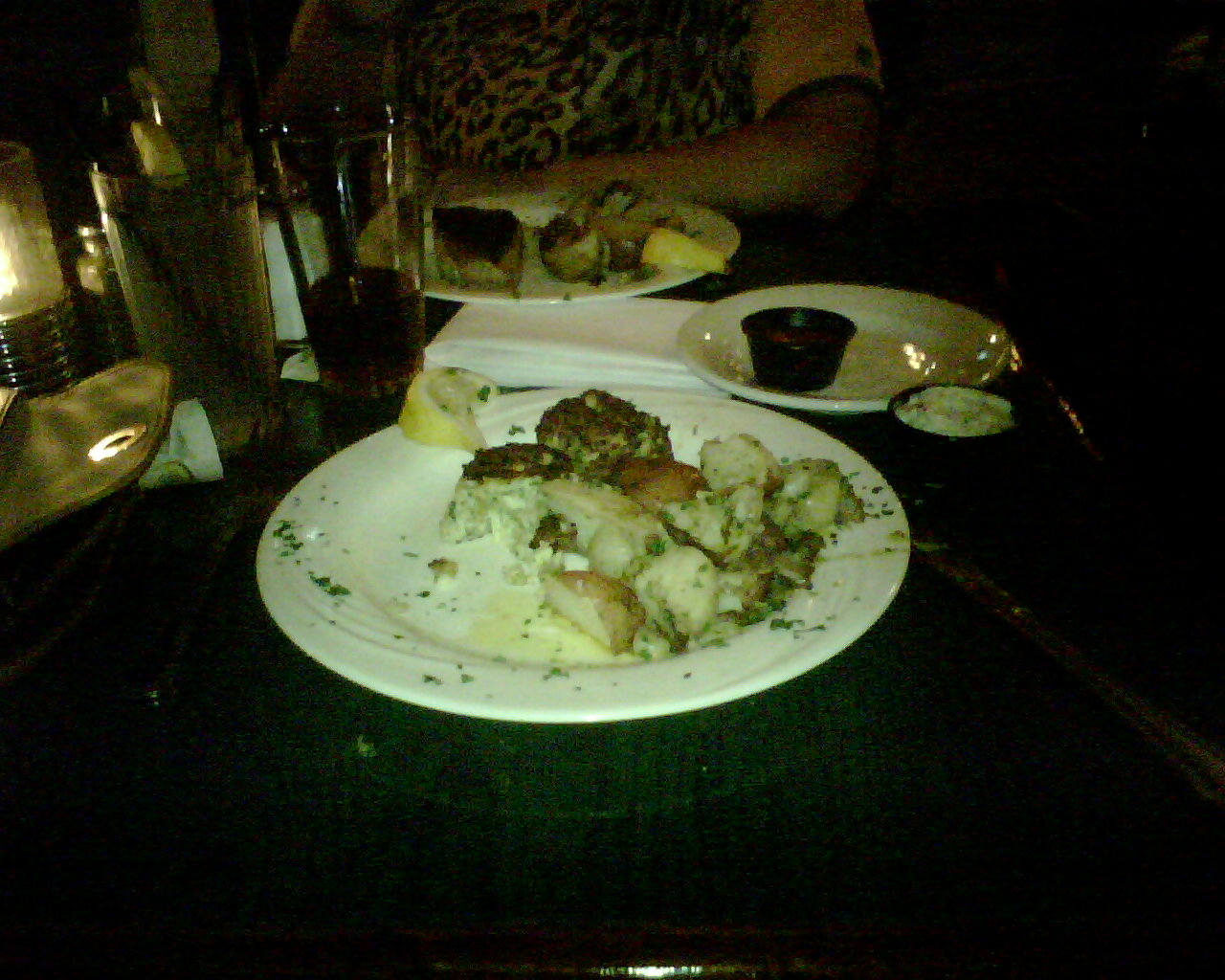
> > > > > > > >The chowder, pictured, was fine, no cream. What makes
> > > something a
> > > > > chowder
> > > > > > > rather than a soup?
> > > > > > > >
> > > > > > > >
> > > > > > > >
> > > > > > > >
> > > > > > > >
> > > > > > >
> > > > > > >
> > > > >
> > > > >
> > >
> > >
> >
>

Read and post comments | Send to a friend
Posted in Uncategorized | Comments Off on BSMA Barco

BSMA Barco

Yes I agree with Bob and Jeff, it would be very hard indeed to dispute Bob's claim to be the master of accidental food, especially when the food is almost 100% fat…….however, once again Bob seeks to lay claim to some bit of knowledge on scientific matters and ..uh oh!!

In order to validate your statement that pasteurized cream is pretty much bug free, I suggest repeating a variant of Pasteur's original experiment. Take one unopened container of freshly pasteurized milk or cream (and not that UHT crap) and leave it in a nice cool dry place for oh say 6 months or so. Then open it and enjoy a refreshing sip (or chunk) of it, assuming of course it has not exploded by then. P.S. don't forget to open the windows first, and post warning signs around the house.

On Oct 13, 2007, at 1:48 AM, Bob Morgen wrote:

> Now here, I expect, George will be happy to defer to my greater > experience.
>
> I have made loads of butter at home. All of it by accident.
>
> Recipe:
>
> Accidental Butter
>
> Take any sized container of whipping cream. Put it into an electric > mixer and mix at high speed. Walk away to take care of some other > pressing matter. Return, and admire your butter.
>
> The problem is that it tastes bland. Even with a bit of salt, it > just doesn't seem to taste like butter. This is where the aging > process comes into play. Premium butters are given a few days of > bacteria growth to flavor them prior to churning. But home-made > butter is made from pasteurized cream which is pretty much bug, and > flavor, free.
>
> Ghee is a more complicated issue. It is made from churned and, > presumably, full-flavored butter. Th butter is melted and the oil > is poured off through cheesecloth to remove the milk solids and > some of the water. But there is still a fair amount of water in the > oil, so it is slow cooked to boil off the remaining water without > burning the oil. The result is pretty much pure butter fat and it > has a lot less flavor now that the milk solids are gone.
>
> The result of cooking with ghee is like cooking with lard – you can > raise the heat very high without burning the oil. This promotes > caramelization of the meats and vegetables producing excellent > flavors. But the upside of cooking with whole butter is the > caramelization of its milk solids which happens at a lower > temperature than is optimal for cooking meats. So ghee does better > at getting the caramel out of meat but at the loss of the milk > caramel. If my use of the term "caramel" surprises or offends you > here, I suggest you substitute the French word which is "fond." > It's the stuff that sticks to the pan and is used to make gravy and > sauces. Fond made by searing meat in whole butter can easily become > too bitter and burnt tasting.
>
> It is a well-known trick amongst cooks to add a few teaspoons of > vegetable oil to the melted butter before frying. This lets you fry > hotter than you can with pure butter without the butter burning. > Perhaps George will tell us how this bit of science works since I > don't know.
>
> For those who are using this Boog Travel Blog to further their > culinary education, I suggest you try making some Brown Butter > Sauce today. It is really simple and illustrative. Take a cube of > butter and slowly melt it in a heavy pan. Turn up the heat a bit > and let the butter just begin to brown (kind of a beige color). > This is called beurre blanc (not to be confused with the sauce of > the same name). Pour out a couple of tablespoons and set aside. > Then put the butter back on the heat and let the browning continue > until it is fully browned but not at all burned, again pour out > some and set aside. This is called beurre brun. Take the last > little bit and let it heat it until it just begins to burn a tiny > bit or preferably is just very dark brown. This is beurre noir.
>
> Now taste all three on some nice french bread. All three are > delicious and all three are classic French toppings for fish. Also, > all three are the basis for classic French sauces flavored with > onions, vinegar and/or white wine. Beurre noir has a slow-cooked > variant called beurre noisette (less brown, no burning at all). > This is used in baking, most notably in madeleines, contributing > their characteristic subtle caramel flavor in a cookie that does > not cook hot enough to have much caramelization of its own.
>
> -Bob
>
>
>
> On 10/13/07, Herb Blumstein wrote:
> How hard would it be to churn butter at home and get a good > quality butter?
> And for cooking, wouldn't ghee be a good, maybe better, substitute?
>
>
>
> On 10/12/07, gefmey@cox.net < gefmey@cox.net> wrote:
> Let me be the first to say that how saddened I am by Bob's > dementia. I had heard rumors to the fact but this is really the > first time that I have seen how complete it is. Bob, we are all > here for you in your time of need.
>
> G
> —- Bob Morgen wrote:
> > So George completely agrees with me, as usual. This is comforting.
> >
> > Like I said, lactobacillus (yogurt bugs) are added to the cream > prior to
> > churning. Since the dictionary (I looked) defines yoghurt as > fermented milk,
> > I fail to understand George's objection to the term. Premium > butters use
> > whatever bugs are floating around in the air and so it probably > isn't easy
> > to know which one is actually in the butter. Presumably a mix.
> >
> > Anyway, I am please to have helped to educate George again.
> >
> > -Bob
> >
> > On 10/12/07, gefmey@cox.net wrote:
> > >
> > > Oh Bob!! I don't even know where to begin on this one. Your > best option
> > > is to take a short course in food microbiology, or better yet > just stick to
> > > food deep fried in some industrial strength non-microbially > reactive
> > > petroleum product. I hear the French are doing amazing things > with vaseline
> > > and sous vide techniques.
> > >
> > > Butter is NOT fermented, at least not intentionally. When > butter ferments
> > > or ages the production of butyric acid gives it that > distinctive "Palo Alto"
> > > characteristic. This is not usually desireable, as it > indicates the
> > > breakdown of the butterfat
> > >
> > > You are correct that fermentation does take place but in the > milk prior to
> > > churning in butter that is not labelled "sweet" (most of the > US) ut labelled
> > > "cultured" (most of Europe).
> > >
> > > The bacteria that are added however are NOT yogurt bacteria > (even to cheap
> > > butter, unless maybe it comes from China, where there may also > be traces of
> > > lead or dipropylene glycol) which are Lactobacillus > acidophilus, and
> > > Streptococcus. thermophilus. Usually Lactococcus lactis subsp. > lactis,
> > > Lactococcus lactis subsp. cremoris, Lactococcus lactis subsp. > lactis biovar.
> > > diacetylactis, Leuconostoc mesenteroides subsp. cremoris (Leuc. > citrovorum)
> > > is added or the milk is allow to naturally ferment for a day or > so.
> > >
> > > Remind me not to try any dishes that Bob prepares using his > special
> > > "cultured" butter.
> > >
> > > George
> > > —- Bob Morgen < bob.morgen@intransa.com> wrote:
> > > > Sharon's legendary experiments in butter ageing aside, there is
> > > something to
> > > > ageing butter. Premium butters are fermented for a few days > before
> > > churning
> > > > to give them more of a tangy/buttery flavor. Cheaper butters > have a bit
> > > of
> > > > yogurt bacteria added to hasten the process.
> > > >
> > > > Cooks Illustrated did blind tasting on expensive premium > butters vs
> > > cheap
> > > > butter. While there was a bit of a difference it didn't show > up as much
> > > to
> > > > most tasters.
> > > >
> > > > Interestingly, Land of Lakes did very well both in the > premium and
> > > ordinary
> > > > butter categories.
> > > >
> > > > I looked at what is being offered as expensive premium > butters in the
> > > USA
> > > > and ironically most of them are ordinary butters in their > country of
> > > > origin. I have tried them all and, while I've never met a > butter i
> > > didn't
> > > > like, except Sharon's, there isn't much to recommend them > over American
> > > > butters. Our daily household butter here is Kerrygold from > Ireland. It
> > > is
> > > > the cheapest thing at the market here but sells for a fortune > in the
> > > States.
> > > > Lurpak, from Denmark, is made in monster sized factories from > cows that
> > > > never see the light of day. The biggest selling French > premium in the US
> > > is
> > > > the one with rock salt crystals in it. That's cheating.
> > > >
> > > > -Bob
> > > >
> > > >
> > > >
> > > > On 10/12/07, Dianne Ellsworth < ellswortha@earthlink.net> wrote:
> > > > >
> > > > > Was 1996 a good year? (for butter).
> > > > >
> > > > > Gee, didn't know it was vintage. Is it AOC too?
> > > > >
> > > > > I've got lots of butter at my place and you're all welcome > to it, but
> > > it's
> > > > > pretty recent, so may not have that nice marbling and nose > of the
> > > truly aged
> > > > > butter.
> > > > > Dee
> > > > >
> > > > > —–Original Message—–
> > > > > >From: boogkb@tmo.blackberry.net
> > > > > >Sent: Oct 11, 2007 4:32 PM
> > > > > >To: Vox < 980286c3a15f1c66@moblog.vox.com>, Boogs Sack <
> > > jwgrey@netbox.com>
> > > > > >Subject: BSMA Barco
> > > > > >
> > > > > >11 Oct.
> > > > > >
> > > > > >We are now out of the outer banks and in the dismal swamp. > Its real
> > > name.
> > > > > Heading to Barco. The only place we found to stay for 90 > plus miles
> > > is a
> > > > > B&B in Barco. Again a bit less distance than ideal.
> > > > > >
> > > > > >Pretty strong headwind (cold front starting to finally > come in )
> > > today on
> > > > > a 5 lane Hiway with narrow but ok shoulder. The ride is on > a barrier
> > > island.
> > > > > >
> > > > > >The B&B turned out to be first rate. 1827 house. Xmas > decorated, her
> > > > > hobby. Loaned us their van so we could get to a rest. A > number of
> > > miles
> > > > > back.
> > > > > >
> > > > > >To repeat the obvious "do not mess about in George's > backyard! "
> > > > > >
> > > > > >Judi and Bobby have now booked Chez Boog for the holidays.
> > > Provisioning
> > > > > being planned. Looking for some 1996 butter.
> > > > > >
> > > > > >Dinner was among the yachts on the intercoastal waterway. > Another
> > > cole
> > > > > slaw, and more crab and shrimp. Home made, still warm, > freshly baked,
> > > > > potato chips.
> > > > > >
> > > > > >The chowder, pictured, was fine, no cream. What makes > something a
> > > chowder
> > > > > rather than a soup?
> > > > > >
> > > > > >
> > > > > >
> > > > > >
> > > > > >
> > > > >
> > > > >
> > >
> > >
>
>
>

Read and post comments | Send to a friend

Posted in Uncategorized | Comments Off on BSMA Barco

BSMA Kills Devil Hills

Muru, my Malaysian room mate and master chef, starts nearly all recipes with
a puree made from about 10 chillies, a 6 inch stick of ginger, and a whole
head of garlic.

So when I gave him a bag of fresh habaneros (scotch bonnet), he was
unimpressed. Until he made dinner.

"Bob," he said seriously, "they are too hot. Is this what you eat in
America?"

"Yes," I said nonchalantly. "We eat them all the time."

Muru looked impressed. "Okay," he said, "but next time we only use half."

-Bob

On 10/13/07, Herb Blumstein wrote:
>
> I am impressed! Years ago Gideon (on a hot stuff kick) bought some
> habaneros, ground them up and preserved them in oil, kept in the fridge.
> Just opening the lid of the jar was enough to make you cry and gasp. We
> measured it out in tiny doll-sized spoonfuls – ferocious stuff. We kept it
> in the fridge for years. It served as macho bait, too – anyone bragging
> about their ability to withstand pepper heat was invited to try a spoonful.
> Many a grown macho man went down – it did my heart good to see it!
> I guess kimchi is child's play for you, Southern belle or not. I can
> handle the kimchi but not habaneros in any amounts larger than a pinhead –
> at least not the stuff we made at home.
> Chow!
>
>
> On 10/12/07, JuJu wrote:
> >
> > I am a relatively adventurous cook – have been for years. Lived in CA
> > from 1971 to 1989 so developed some less-than Southern-belle-ish habits
> > (LOL) during those years. Living in New Orleans area from 1990 to 2005, I
> > reinvented some of my more genteel tastes, like for a good gumbo and sauteed
> > shrimp po-boys. Now that I'm in Texas, my style has changed once again. And,
> > yes, habanero is in my repertoire. I even have a small habanero plant on my
> > patio and used the fruits for some stew. They are great with almost anything
> > savory, really. I found Goya Habanero Salsito sauce in my local mega mart –
> > and use it in soups, stews, salads and dressings, eggs, etc. Yum – and
> > spicy!
> >
> > On recent visit to Eureka Springs, Arkansas, I picked up some habanero
> > and cayenne jerky. Have not eaten it yet – but will savor it when the time
> > is right!
> >
> > Cheers to all!
> >
> > JuJu
> >
> >
> > On 10/11/07, Herb Blumstein wrote:
> > >
> > > Bob is right – the wimpiest cabbage of all is Napa – not for slaw!
> > > Chinese cabbage also turns to mush – not for slaw!
> > >
> > > The "disquisition" is not yet over:
> > >
> > > A cabbage variant – raw kohlrabi (kohlrabe) makes an excellent salad.
> > > Not the leaves – the carefully peeled and julienned roots can be used
> > > instead of shredded cabbage, with all of the different dressings mentioned.
> > > Look for fresh green "bulbs" (really roots) still attached to the leaves
> > > (you can use them for cooking).
> > > Combine the kohlrabi with thinly sliced onion, julienned or cubed or
> > > even sliced tart green apples, julienned green bell peppers, and some
> > > crispy celery stalks finely sliced – and you have a very crunchy, very fresh
> > > tasting salad which you can dress in a many different ways – in addition to
> > > those I previously mentioned. Adding toasted walnuts or pecans makes it
> > > even fancier and does not hurt the taste! Is it technically a "cole slaw"
> > > (koolsla)? Well, it is certainly a "cruciferous vegetable slaw"!
> > >
> > > Strangely enough, Bob, a little mustard and a little sugar are used in
> > > many Chinese/Asian dishes – not to mention Eastern european cooking. The
> > > emphasis is on "little" – just enough to change the balance of
> > > tastes. Homemade mustard or Chinese yellow mustard (very hot) in very small
> > > amounts, are best but Dijon is good, too. Try it in your mayo
> > > dressings-what have you got to lose?
> > >
> > > JuJu – the idea of a Southern belle putting up a batch of fiery,
> > > smelly, gut-flaming Kimchi is certainly anomalous but, what the hell, it is
> > > a brave new culinary world. March on! Are you at the point of using
> > > habanero (Scotch bonnet) chiles? If so, how?
> > >
> > > Who knows how to make choucroute taste good without the sausages and
> > > fatty meat?
> > > I once ate a seafood choucroute in the small restaurant at the Rennes
> > > airport and it was excellent. Any recipes?
> > >
> > > Chow down!
> > > Herb
> > >
> > >
> > >
> > >
> > >
> > >
> > > On 10/11/07, Dianne Ellsworth < ellswortha@earthlink.net > wrote:
> > > >
> > > > Thanks to Bob (for setting me straight on Napa cabbage, via Herb),
> > > > and thanks to you all (Bob, Herb, Judi, Jeff) for this eloquent and
> > > > formidable disquisition on Cabbage and Culture, including many receipts for
> > > > the home cook and histories thereof.
> > > >
> > > > I must speak to the Napa cabbage then and see about assertiveness
> > > > training for it (also big in California), and will look elsewhere for now
> > > > for cabbage adequate to call itself cole slaw material.
> > > >
> > > > Yr. humbled servant,
> > > >
> > > > Dee
> > > >
> > > >
> > > > —–Original Message—–
> > > > From: Bob Morgen
> > > > Sent: Oct 11, 2007 7:25 AM
> > > > To: JuJu
> > > > Cc: Herb Blumstein , Libby Trudell , boogkb@tmo.blackberry.net, Vox
> > > > < 980286c3a15f1c66@moblog.vox.com>, Boogs Sack
> > > > Subject: Re: BSMA Kills Devil Hills
> > > >
> > > > So the South rises again with its culinary contribution of cole slaw
> > > > = cabbage + pineapple + miracle whip.
> > > >
> > > > The Brits would probably like it on their ham sandwiches.
> > > >
> > > > -Bob
> > > >
> > > > On 10/11/07, JuJu wrote:
> > > > >
> > > > > I love kimchi! That stuff is so darn good – and it goes with
> > > > > almost everything but dessert. Many years – actually about 30 years – ago, I
> > > > > made some kimchi. That stuff almost ate through the glass bottle in which it
> > > > > fermented. But, it was SOOOO GOOD!
> > > > >
> > > > > I'm not a fan of cole slaw, in general, as it usually has either
> > > > > celery seed or caraway seed, neither of which are on my "edible items" list.
> > > > > And, heaven help us – there are people who think that pineapple and cabbage,
> > > > > plus mynez (that's southern talk for mayo) = cole slaw. At least it's closer
> > > > > to being edible than many I've been served.
> > > > >
> > > > >
> > > > >
> > > > >
> > > > > On 10/11/07, Bob Morgen wrote:
> > > > > >
> > > > > > I may have to reconsider. Herb may actually like English cole
> > > > > > slaw. Mustard and sugar.
> > > > > >
> > > > > > Oy.
> > > > > >
> > > > > > However, I am impressed by the recommendation to try nuoc mam.
> > > > > > But we are moving dangerously close to Kimchi territory here.
> > > > > >
> > > > > > -Bob
> > > > > >
> > > > > > On 10/11/07, Herb Blumstein wrote:
> > > > > > >
> > > > > > > Thank you Bob – that is a new one for me – the almost pureed
> > > > > > > onion, I mean. Caraway is ok but I prefer it in schnapps/aquavit. It
> > > > > > > doesn't prevent flatulence and it is disruptive in cole slaw. Just when you
> > > > > > > are settling down to the spicy, sweet and salty taste of the cabbage, the
> > > > > > > slightly bitter, acrid taste of caraway distracts your taste buds. I don't
> > > > > > > love it in rye bread either.
> > > > > > > I can't begin to think how many times I've eaten cole slaw –
> > > > > > > especially when we were tight for money.
> > > > > > > My own recipes:
> > > > > > > Basic:
> > > > > > > 1. Head of young and sweet light-green cabbage, quartered with
> > > > > > > the stem core (the heart!) removed. None of that giant, fibrous cabbage
> > > > > > > stuff and no red/blue/purple cabbage -it is too coarse and tough.
> > > > > > > 2. Carefully slice down across the short dimension of each
> > > > > > > quarter of the cabbage – widths no greater than 1/4 of an inch, preferably
> > > > > > > less. Do not dice or chop cabbage or throw it about impatiently.
> > > > > > > At this point, I usually wash the sliced cabbage in a colander
> > > > > > > and then dry it throughly – but then I'm the only one I know who does that.
> > > > > > > 3. Use a mandoline to slice one-half (or more!) of an onion
> > > > > > > very thinly. Or if you are truly skilled, slice it with a knife. Don't
> > > > > > > worry if you cry into the onion it – it will improve the flavor.
> > > > > > > 4.Two or three large sweet carrots – taste them first! –
> > > > > > > grated. If you haven't got sweet carrots, leave them out. Consider very
> > > > > > > finely julienned sweet red or yellow peppers as a possible alternative to
> > > > > > > carrots – but much more work to do that
> > > > > > > 5. Toss with dressing and let stand – an hour is ok, more is
> > > > > > > better. In the fridge, of course.
> > > > > > >
> > > > > > > Basic dressings:
> > > > > > > 1. Mayonnaise – If store bought check for taste and add dijon
> > > > > > > mustard, some lemon or vinegar (apple cider vinegar, malt vinegar, rice
> > > > > > > vinegar – not wine vinegar) – not too much!
> > > > > > > You can add some white wine, very little, maybe a tablespoon.
> > > > > > > Some white sugar – a scant teaspoon or less.
> > > > > > > Fresh ground pepper. Me, I like a bit of hot sauce as well.
> > > > > > > Salt, only after you have tossed the salad with the
> > > > > > > mayonnaise and found it lacking in salt!
> > > > > > >
> > > > > > > 2. Oil (olive, walnut) and vinegar – some dijon mustard,
> > > > > > > fresh ground pepper and salt, a teaspoon or less of sugar, to taste,shaken
> > > > > > > (not stirred),. Not too much salt! Add some hot sauce – without garlic!
> > > > > > >
> > > > > > > 3. Soy sauce, walnut or other light oil, some toasted sesame
> > > > > > > oil, a little sugar, rice vinegar and hot stuff – no garlic.
> > > > > > >
> > > > > > > Enhancers
> > > > > > > 1. Curry added to the mayonnaise- to taste. Bump up the sugar,
> > > > > > > mustard and hot stuff a bit.
> > > > > > > 2. Caraway seeds- for those who must have them.
> > > > > > > 3. Ground cumin added to the mayonnaise, in small quantities
> > > > > > > only.
> > > > > > > 4. Cilantro, leaves only, finely sliced. Some people like
> > > > > > > parsley…some don't
> > > > > > > 5. Golden seedless raisins
> > > > > > > 6. Finely julienned tart green apples
> > > > > > > 7. For the truly adventurous, some nuoc mam or other type of
> > > > > > > fermented fish oil and bump up the vinegar, hot sauce and sugar a bit. Yes,
> > > > > > > you do develop a taste for it! Just keep it off your hands…
> > > > > > > et cetera
> > > > > > > Let's face it, there are tons of possibilities. The only true
> > > > > > > prohibition (to my narrow mind) is against the use of garlic – and that's
> > > > > > > coming from a garlic lover.
> > > > > > > Let's hear some more recipes.
> > > > > > > Herb
> > > > > > >
> > > > > > >
> > > > > > >
> > > > > > > On 10/10/07, Bob Morgen wrote:
> > > > > > > >
> > > > > > > > If Herb's theory were right, then we would have even finer
> > > > > > > > cole slaw here in England. Some of our cabbages are the size of pumpkins.
> > > > > > > > And about as tough on the outside.
> > > > > > > >
> > > > > > > > I will keep my opinion of English cole slaw brief.
> > > > > > > >
> > > > > > > > Garbage.
> > > > > > > >
> > > > > > > > Here is my recipe for perfect cole slaw, based on the one I
> > > > > > > > used to make at the Wild Mountain Café in Mill Valley during my misspent
> > > > > > > > youth:
> > > > > > > >
> > > > > > > > Mince an onion to near pureé status. Mix it into a cup of
> > > > > > > > mayo and add a tsp of caraway seeds. Grate a carrot into it. Add just enough
> > > > > > > > chopped cabbage (color irrelevant) to thin out the mayonnaise to a non-guilt
> > > > > > > > level. Let it sit a couple of hours in the fridge. Eat.
> > > > > > > >
> > > > > > > > The English put cole slaw onto ham sandwiches. Nuff said.
> > > > > > > >
> > > > > > > > -Bob
> > > > > > > >
> > > > > > > > On 10/10/07, Libby Trudell wrote:
> > > > > > > > >
> > > > > > > > > That's one impressive lighthouse. Hope you are bearing up
> > > > > > > > > under the heat –
> > > > > > > > > we are actually having a light autumnal rain here at the
> > > > > > > > > moment.
> > > > > > > > >
> > > > > > > > > —–Original Message—–
> > > > > > > > > From: boogkb@tmo.blackberry.net [mailto:boogkb@tmo.blackberry.net
> > > > > > > > > ]
> > > > > > > > > Sent: Tuesday, October 09, 2007 4:01 PM
> > > > > > > > > To: Vox; Boogs Sack
> > > > > > > > > Subject: BSMA Kills Devil Hills
> > > > > > > > >
> > > > > > > > > 9 Oct.
> > > > > > > > > Another scorching day with a spectacular ride up pea
> > > > > > > > > island and bodie
> > > > > > > > > island. Thousands of birds. Welcome center had good
> > > > > > > > > scopes.
> > > > > > > > >
> > > > > > > > > Lunch break in the beach town Nags Head.
> > > > > > > > >
> > > > > > > > > New record temp. Lucky us.
> > > > > > > > >
> > > > > > > > >
> > > > > > > > > Cole Slaw. There must be a thousand variations on three
> > > > > > > > > basic sauces. But
> > > > > > > > > why is it that the Slaw is always best in the East?
> > > > > > > > >
> > > > > > > > > Another fine pound of perfect steamed local shrimp. Sigh.
> > > > > > > > >
> > > > > > > > >
> > > > > > > > >
> > > > > > > > >
> > > > > > > > >
> > > > > > > >
> > > > > > >
> > > > > >
> > > > >
> > > >
> > >
> >
>

Read and post comments | Send to a friend

Posted in Uncategorized | Comments Off on BSMA Kills Devil Hills

BSMA Barco

Now here, I expect, George will be happy to defer to my greater experience.

I have made loads of butter at home. All of it by accident.

Recipe:

Accidental Butter

Take any sized container of whipping cream. Put it into an electric mixer
and mix at high speed. Walk away to take care of some other pressing matter.
Return, and admire your butter.

The problem is that it tastes bland. Even with a bit of salt, it just
doesn't seem to taste like butter. This is where the ageing process comes
into play. Premium butters are given a few days of bacteria growth to flavor
them prior to churning. But home-made butter is made from pasteurized cream
which is pretty much bug, and flavor, free.

Ghee is a more complicated issue. It is made from churned and, presumably,
full-flavored butter. Th butter is melted and the oil is poured off through
cheesecloth to remove the milk solids and some of the water. But there is
still a fair amount of water in the oil, so it is slow cooked to boil off
the remaining water without burning the oil. The result is pretty much pure
butter fat and it has a lot less flavor now that the milk solids are gone.

The result of cooking with ghee is like cooking with lard – you can raise
the heat very high without burning the oil. This promotes caramelization of
the meats and vegetables producing excellent flavors. But the upside of
cooking with whole butter is the caramelization of its milk solids which
happens at a lower temperature than is optimal for cooking meats. So ghee
does better at getting the caramel out of meat but at the loss of the milk
caramel. If my use of the term "caramel" surprises or offends you here, I
suggest you substitute the French word which is "fond." It's the stuff that
sticks to the pan and is used to make gravy and sauces. Fond made by searing
meat in whole butter can easily become too bitter and burnt tasting.

It is a well-known trick amongst cooks to add a few teaspoons of vegetable
oil to the melted butter before frying. This lets you fry hotter than you
can with pure butter without the butter burning. Perhaps George will tell us
how this bit of science works since I don't know.

For those who are using this Boog Travel Blog to further their culinary
education, I suggest you try making some Brown Butter Sauce today. It is
really simple and illustrative. Take a cube of butter and slowly melt it in
a heavy pan. Turn up the heat a bit and let the butter just begin to brown
(kind of a beige color). This is called beurre blanc (not to be confused
with the sauce of the same name). Pour out a couple of tablespoons and set
aside. Then put the butter back on the heat and let the browning continue
until it is fully browned but not at all burned, again pour out some and set
aside. This is called beurre brun. Take the last little bit and let it heat
it until it just begins to burn a tiny bit or preferably is just very dark
brown. This is beurre noir.

Now taste all three on some nice french bread. All three are delicious and
all three are classic French toppings for fish. Also, all three are the
basis for classic French sauces flavored with onions, vinegar and/or white
wine. Beurre noir has a slow-cooked variant called beurre noisette (less
brown, no burning at all). This is used in baking, most notably in
madeleines, contributing their characteristic subtle caramel flavor in a
cookie that does not cook hot enough to have much caramelization of its own.

-Bob

On 10/13/07, Herb Blumstein wrote:
>
> How hard would it be to churn butter at home and get a good quality
> butter?
> And for cooking, wouldn't ghee be a good, maybe better, substitute?
>
>
>
> On 10/12/07, gefmey@cox.net wrote:
> >
> > Let me be the first to say that how saddened I am by Bob's dementia. I
> > had heard rumors to the fact but this is really the first time that I have
> > seen how complete it is. Bob, we are all here for you in your time of need.
> >
> >
> > G
> > —- Bob Morgen wrote:
> > > So George completely agrees with me, as usual. This is comforting.
> > >
> > > Like I said, lactobacillus (yogurt bugs) are added to the cream prior
> > to
> > > churning. Since the dictionary (I looked) defines yoghurt as fermented
> > milk,
> > > I fail to understand George's objection to the term. Premium butters
> > use
> > > whatever bugs are floating around in the air and so it probably isn't
> > easy
> > > to know which one is actually in the butter. Presumably a mix.
> > >
> > > Anyway, I am please to have helped to educate George again.
> > >
> > > -Bob
> > >
> > > On 10/12/07, gefmey@cox.net wrote:
> > > >
> > > > Oh Bob!! I don't even know where to begin on this one. Your best
> > option
> > > > is to take a short course in food microbiology, or better yet just
> > stick to
> > > > food deep fried in some industrial strength non-microbially reactive
> > > > petroleum product. I hear the French are doing amazing things with
> > vaseline
> > > > and sous vide techniques.
> > > >
> > > > Butter is NOT fermented, at least not intentionally. When butter
> > ferments
> > > > or ages the production of butyric acid gives it that distinctive
> > "Palo Alto"
> > > > characteristic. This is not usually desireable, as it indicates the
> >
> > > > breakdown of the butterfat
> > > >
> > > > You are correct that fermentation does take place but in the milk
> > prior to
> > > > churning in butter that is not labelled "sweet" (most of the US) ut
> > labelled
> > > > "cultured" (most of Europe).
> > > >
> > > > The bacteria that are added however are NOT yogurt bacteria (even to
> > cheap
> > > > butter, unless maybe it comes from China, where there may also be
> > traces of
> > > > lead or dipropylene glycol) which are Lactobacillus acidophilus, and
> > > > Streptococcus. thermophilus. Usually Lactococcus lactis subsp.
> > lactis,
> > > > Lactococcus lactis subsp. cremoris, Lactococcus lactis subsp. lactis
> > biovar.
> > > > diacetylactis, Leuconostoc mesenteroides subsp. cremoris (Leuc.
> > citrovorum)
> > > > is added or the milk is allow to naturally ferment for a day or so.
> > > >
> > > > Remind me not to try any dishes that Bob prepares using his special
> > > > "cultured" butter.
> > > >
> > > > George
> > > > —- Bob Morgen wrote:
> > > > > Sharon's legendary experiments in butter ageing aside, there is
> > > > something to
> > > > > ageing butter. Premium butters are fermented for a few days before
> > > > churning
> > > > > to give them more of a tangy/buttery flavor. Cheaper butters have
> > a bit
> > > > of
> > > > > yogurt bacteria added to hasten the process.
> > > > >
> > > > > Cooks Illustrated did blind tasting on expensive premium butters
> > vs
> > > > cheap
> > > > > butter. While there was a bit of a difference it didn't show up as
> > much
> > > > to
> > > > > most tasters.
> > > > >
> > > > > Interestingly, Land of Lakes did very well both in the premium and
> > > > ordinary
> > > > > butter categories.
> > > > >
> > > > > I looked at what is being offered as expensive premium butters in
> > the
> > > > USA
> > > > > and ironically most of them are ordinary butters in their country
> > of
> > > > > origin. I have tried them all and, while I've never met a butter
> > i
> > > > didn't
> > > > > like, except Sharon's, there isn't much to recommend them over
> > American
> > > > > butters. Our daily household butter here is Kerrygold from
> > Ireland. It
> > > > is
> > > > > the cheapest thing at the market here but sells for a fortune in
> > the
> > > > States.
> > > > > Lurpak, from Denmark, is made in monster sized factories from cows
> > that
> > > > > never see the light of day. The biggest selling French premium in
> > the US
> > > > is
> > > > > the one with rock salt crystals in it. That's cheating.
> > > > >
> > > > > -Bob
> > > > >
> > > > >
> > > > >
> > > > > On 10/12/07, Dianne Ellsworth < ellswortha@earthlink.net> wrote:
> > > > > >
> > > > > > Was 1996 a good year? (for butter).
> > > > > >
> > > > > > Gee, didn't know it was vintage. Is it AOC too?
> > > > > >
> > > > > > I've got lots of butter at my place and you're all welcome to
> > it, but
> > > > it's
> > > > > > pretty recent, so may not have that nice marbling and nose of
> > the
> > > > truly aged
> > > > > > butter.
> > > > > > Dee
> > > > > >
> > > > > > —–Original Message—–
> > > > > > >From: boogkb@tmo.blackberry.net
> > > > > > >Sent: Oct 11, 2007 4:32 PM
> > > > > > >To: Vox <980286c3a15f1c66@moblog.vox.com>, Boogs Sack <
> > > > jwgrey@netbox.com>
> > > > > > >Subject: BSMA Barco
> > > > > > >
> > > > > > >11 Oct.
> > > > > > >
> > > > > > >We are now out of the outer banks and in the dismal swamp. Its
> > real
> > > > name.
> > > > > > Heading to Barco. The only place we found to stay for 90 plus
> > miles
> > > > is a
> > > > > > B&B in Barco. Again a bit less distance than ideal.
> > > > > > >
> > > > > > >Pretty strong headwind (cold front starting to finally come in
> > )
> > > > today on
> > > > > > a 5 lane Hiway with narrow but ok shoulder. The ride is on a
> > barrier
> > > > island.
> > > > > > >
> > > > > > >The B&B turned out to be first rate. 1827 house. Xmas
> > decorated, her
> > > > > > hobby. Loaned us their van so we could get to a rest. A number
> > of
> > > > miles
> > > > > > back.
> > > > > > >
> > > > > > >To repeat the obvious "do not mess about in George's backyard!
> > "
> > > > > > >
> > > > > > >Judi and Bobby have now booked Chez Boog for the holidays.
> > > > Provisioning
> > > > > > being planned. Looking for some 1996 butter.
> > > > > > >
> > > > > > >Dinner was among the yachts on the intercoastal waterway.
> > Another
> > > > cole
> > > > > > slaw, and more crab and shrimp. Home made, still warm, freshly
> > baked,
> > > > > > potato chips.
> > > > > > >
> > > > > > >The chowder, pictured, was fine, no cream. What makes something
> > a
> > > > chowder
> > > > > > rather than a soup?
> > > > > > >
> > > > > > >
> > > > > > >
> > > > > > >
> > > > > > >
> > > > > >
> > > > > >
> > > >
> > > >
> >
> >
>

Read and post comments | Send to a friend

Posted in Uncategorized | Comments Off on BSMA Barco

BSMA Kills Devil Hills

I am impressed! Years ago Gideon (on a hot stuff kick) bought some
habaneros, ground them up and preserved them in oil, kept in the fridge.
Just opening the lid of the jar was enough to make you cry and gasp. We
measured it out in tiny doll-sized spoonfuls – ferocious stuff. We kept it
in the fridge for years. It served as macho bait, too – anyone bragging
about their ability to withstand pepper heat was invited to try a spoonful.
Many a grown macho man went down – it did my heart good to see it!
I guess kimchi is child's play for you, Southern belle or not. I can handle
the kimchi but not habaneros in any amounts larger than a pinhead – at least
not the stuff we made at home.
Chow!

On 10/12/07, JuJu wrote:
>
> I am a relatively adventurous cook – have been for years. Lived in CA from
> 1971 to 1989 so developed some less-than Southern-belle-ish habits (LOL)
> during those years. Living in New Orleans area from 1990 to 2005, I
> reinvented some of my more genteel tastes, like for a good gumbo and sauteed
> shrimp po-boys. Now that I'm in Texas, my style has changed once again. And,
> yes, habanero is in my repertoire. I even have a small habanero plant on my
> patio and used the fruits for some stew. They are great with almost anything
> savory, really. I found Goya Habanero Salsito sauce in my local mega mart –
> and use it in soups, stews, salads and dressings, eggs, etc. Yum – and
> spicy!
>
> On recent visit to Eureka Springs, Arkansas, I picked up some habanero and
> cayenne jerky. Have not eaten it yet – but will savor it when the time is
> right!
>
> Cheers to all!
>
> JuJu
>
>
> On 10/11/07, Herb Blumstein wrote:
> >
> > Bob is right – the wimpiest cabbage of all is Napa – not for slaw!
> > Chinese cabbage also turns to mush – not for slaw!
> >
> > The "disquisition" is not yet over:
> >
> > A cabbage variant – raw kohlrabi (kohlrabe) makes an excellent salad.
> > Not the leaves – the carefully peeled and julienned roots can be used
> > instead of shredded cabbage, with all of the different dressings mentioned.
> > Look for fresh green "bulbs" (really roots) still attached to the leaves
> > (you can use them for cooking).
> > Combine the kohlrabi with thinly sliced onion, julienned or cubed or
> > even sliced tart green apples, julienned green bell peppers, and some
> > crispy celery stalks finely sliced – and you have a very crunchy, very fresh
> > tasting salad which you can dress in a many different ways – in addition to
> > those I previously mentioned. Adding toasted walnuts or pecans makes it
> > even fancier and does not hurt the taste! Is it technically a "cole slaw"
> > (koolsla)? Well, it is certainly a "cruciferous vegetable slaw"!
> >
> > Strangely enough, Bob, a little mustard and a little sugar are used in
> > many Chinese/Asian dishes – not to mention Eastern european cooking. The
> > emphasis is on "little" – just enough to change the balance of
> > tastes. Homemade mustard or Chinese yellow mustard (very hot) in very small
> > amounts, are best but Dijon is good, too. Try it in your mayo
> > dressings-what have you got to lose?
> >
> > JuJu – the idea of a Southern belle putting up a batch of fiery, smelly,
> > gut-flaming Kimchi is certainly anomalous but, what the hell, it is a brave
> > new culinary world. March on! Are you at the point of using habanero
> > (Scotch bonnet) chiles? If so, how?
> >
> > Who knows how to make choucroute taste good without the sausages and
> > fatty meat?
> > I once ate a seafood choucroute in the small restaurant at the Rennes
> > airport and it was excellent. Any recipes?
> >
> > Chow down!
> > Herb
> >
> >
> >
> >
> >
> >
> > On 10/11/07, Dianne Ellsworth < ellswortha@earthlink.net> wrote:
> > >
> > > Thanks to Bob (for setting me straight on Napa cabbage, via Herb),
> > > and thanks to you all (Bob, Herb, Judi, Jeff) for this eloquent and
> > > formidable disquisition on Cabbage and Culture, including many receipts for
> > > the home cook and histories thereof.
> > >
> > > I must speak to the Napa cabbage then and see about assertiveness
> > > training for it (also big in California), and will look elsewhere for now
> > > for cabbage adequate to call itself cole slaw material.
> > >
> > > Yr. humbled servant,
> > >
> > > Dee
> > >
> > >
> > > —–Original Message—–
> > > From: Bob Morgen
> > > Sent: Oct 11, 2007 7:25 AM
> > > To: JuJu
> > > Cc: Herb Blumstein , Libby Trudell , boogkb@tmo.blackberry.net, Vox <980286c3a15f1c66@moblog.vox.com>,
> > > Boogs Sack
> > > Subject: Re: BSMA Kills Devil Hills
> > >
> > > So the South rises again with its culinary contribution of cole slaw =
> > > cabbage + pineapple + miracle whip.
> > >
> > > The Brits would probably like it on their ham sandwiches.
> > >
> > > -Bob
> > >
> > > On 10/11/07, JuJu wrote:
> > > >
> > > > I love kimchi! That stuff is so darn good – and it goes with almost
> > > > everything but dessert. Many years – actually about 30 years – ago, I made
> > > > some kimchi. That stuff almost ate through the glass bottle in which it
> > > > fermented. But, it was SOOOO GOOD!
> > > >
> > > > I'm not a fan of cole slaw, in general, as it usually has either
> > > > celery seed or caraway seed, neither of which are on my "edible items" list.
> > > > And, heaven help us – there are people who think that pineapple and cabbage,
> > > > plus mynez (that's southern talk for mayo) = cole slaw. At least it's closer
> > > > to being edible than many I've been served.
> > > >
> > > >
> > > >
> > > >
> > > > On 10/11/07, Bob Morgen wrote:
> > > > >
> > > > > I may have to reconsider. Herb may actually like English cole
> > > > > slaw. Mustard and sugar.
> > > > >
> > > > > Oy.
> > > > >
> > > > > However, I am impressed by the recommendation to try nuoc mam. But
> > > > > we are moving dangerously close to Kimchi territory here.
> > > > >
> > > > > -Bob
> > > > >
> > > > > On 10/11/07, Herb Blumstein wrote:
> > > > > >
> > > > > > Thank you Bob – that is a new one for me – the almost pureed
> > > > > > onion, I mean. Caraway is ok but I prefer it in schnapps/aquavit. It
> > > > > > doesn't prevent flatulence and it is disruptive in cole slaw. Just when you
> > > > > > are settling down to the spicy, sweet and salty taste of the cabbage, the
> > > > > > slightly bitter, acrid taste of caraway distracts your taste buds. I don't
> > > > > > love it in rye bread either.
> > > > > > I can't begin to think how many times I've eaten cole slaw –
> > > > > > especially when we were tight for money.
> > > > > > My own recipes:
> > > > > > Basic:
> > > > > > 1. Head of young and sweet light-green cabbage, quartered with
> > > > > > the stem core (the heart!) removed. None of that giant, fibrous cabbage
> > > > > > stuff and no red/blue/purple cabbage -it is too coarse and tough.
> > > > > > 2. Carefully slice down across the short dimension of each
> > > > > > quarter of the cabbage – widths no greater than 1/4 of an inch, preferably
> > > > > > less. Do not dice or chop cabbage or throw it about impatiently.
> > > > > > At this point, I usually wash the sliced cabbage in a colander
> > > > > > and then dry it throughly – but then I'm the only one I know who does that.
> > > > > > 3. Use a mandoline to slice one-half (or more!) of an onion very
> > > > > > thinly. Or if you are truly skilled, slice it with a knife. Don't worry if
> > > > > > you cry into the onion it – it will improve the flavor.
> > > > > > 4.Two or three large sweet carrots – taste them first! –
> > > > > > grated. If you haven't got sweet carrots, leave them out. Consider very
> > > > > > finely julienned sweet red or yellow peppers as a possible alternative to
> > > > > > carrots – but much more work to do that
> > > > > > 5. Toss with dressing and let stand – an hour is ok, more is
> > > > > > better. In the fridge, of course.
> > > > > >
> > > > > > Basic dressings:
> > > > > > 1. Mayonnaise – If store bought check for taste and add dijon
> > > > > > mustard, some lemon or vinegar (apple cider vinegar, malt vinegar, rice
> > > > > > vinegar – not wine vinegar) – not too much!
> > > > > > You can add some white wine, very little, maybe a tablespoon.
> > > > > > Some white sugar – a scant teaspoon or less.
> > > > > > Fresh ground pepper. Me, I like a bit of hot sauce as well.
> > > > > > Salt, only after you have tossed the salad with the mayonnaise
> > > > > > and found it lacking in salt!
> > > > > >
> > > > > > 2. Oil (olive, walnut) and vinegar – some dijon mustard, fresh
> > > > > > ground pepper and salt, a teaspoon or less of sugar, to taste,shaken (not
> > > > > > stirred),. Not too much salt! Add some hot sauce – without garlic!
> > > > > >
> > > > > > 3. Soy sauce, walnut or other light oil, some toasted sesame
> > > > > > oil, a little sugar, rice vinegar and hot stuff – no garlic.
> > > > > >
> > > > > > Enhancers
> > > > > > 1. Curry added to the mayonnaise- to taste. Bump up the sugar,
> > > > > > mustard and hot stuff a bit.
> > > > > > 2. Caraway seeds- for those who must have them.
> > > > > > 3. Ground cumin added to the mayonnaise, in small quantities
> > > > > > only.
> > > > > > 4. Cilantro, leaves only, finely sliced. Some people like
> > > > > > parsley…some don't
> > > > > > 5. Golden seedless raisins
> > > > > > 6. Finely julienned tart green apples
> > > > > > 7. For the truly adventurous, some nuoc mam or other type of
> > > > > > fermented fish oil and bump up the vinegar, hot sauce and sugar a bit. Yes,
> > > > > > you do develop a taste for it! Just keep it off your hands…
> > > > > > et cetera
> > > > > > Let's face it, there are tons of possibilities. The only true
> > > > > > prohibition (to my narrow mind) is against the use of garlic – and that's
> > > > > > coming from a garlic lover.
> > > > > > Let's hear some more recipes.
> > > > > > Herb
> > > > > >
> > > > > >
> > > > > >
> > > > > > On 10/10/07, Bob Morgen wrote:
> > > > > > >
> > > > > > > If Herb's theory were right, then we would have even finer
> > > > > > > cole slaw here in England. Some of our cabbages are the size of pumpkins.
> > > > > > > And about as tough on the outside.
> > > > > > >
> > > > > > > I will keep my opinion of English cole slaw brief.
> > > > > > >
> > > > > > > Garbage.
> > > > > > >
> > > > > > > Here is my recipe for perfect cole slaw, based on the one I
> > > > > > > used to make at the Wild Mountain Café in Mill Valley during my misspent
> > > > > > > youth:
> > > > > > >
> > > > > > > Mince an onion to near pureé status. Mix it into a cup of mayo
> > > > > > > and add a tsp of caraway seeds. Grate a carrot into it. Add just enough
> > > > > > > chopped cabbage (color irrelevant) to thin out the mayonnaise to a non-guilt
> > > > > > > level. Let it sit a couple of hours in the fridge. Eat.
> > > > > > >
> > > > > > > The English put cole slaw onto ham sandwiches. Nuff said.
> > > > > > >
> > > > > > > -Bob
> > > > > > >
> > > > > > > On 10/10/07, Libby Trudell wrote:
> > > > > > > >
> > > > > > > > That's one impressive lighthouse. Hope you are bearing up
> > > > > > > > under the heat –
> > > > > > > > we are actually having a light autumnal rain here at the
> > > > > > > > moment.
> > > > > > > >
> > > > > > > > —–Original Message—–
> > > > > > > > From: boogkb@tmo.blackberry.net [mailto:boogkb@tmo.blackberry.net
> > > > > > > > ]
> > > > > > > > Sent: Tuesday, October 09, 2007 4:01 PM
> > > > > > > > To: Vox; Boogs Sack
> > > > > > > > Subject: BSMA Kills Devil Hills
> > > > > > > >
> > > > > > > > 9 Oct.
> > > > > > > > Another scorching day with a spectacular ride up pea island
> > > > > > > > and bodie
> > > > > > > > island. Thousands of birds. Welcome center had good scopes.
> > > > > > > >
> > > > > > > > Lunch break in the beach town Nags Head.
> > > > > > > >
> > > > > > > > New record temp. Lucky us.
> > > > > > > >
> > > > > > > >
> > > > > > > > Cole Slaw. There must be a thousand variations on three
> > > > > > > > basic sauces. But
> > > > > > > > why is it that the Slaw is always best in the East?
> > > > > > > >
> > > > > > > > Another fine pound of perfect steamed local shrimp. Sigh.
> > > > > > > >
> > > > > > > >
> > > > > > > >
> > > > > > > >
> > > > > > > >
> > > > > > >
> > > > > >
> > > > >
> > > >
> > >
> >
>

Read and post comments | Send to a friend

Posted in Uncategorized | Comments Off on BSMA Kills Devil Hills

BSMA Barco

How hard would it be to churn butter at home and get a good quality butter?
And for cooking, wouldn't ghee be a good, maybe better, substitute?

On 10/12/07, gefmey@cox.net wrote:
>
> Let me be the first to say that how saddened I am by Bob's dementia. I
> had heard rumors to the fact but this is really the first time that I have
> seen how complete it is. Bob, we are all here for you in your time of need.
>
> G
> —- Bob Morgen wrote:
> > So George completely agrees with me, as usual. This is comforting.
> >
> > Like I said, lactobacillus (yogurt bugs) are added to the cream prior to
> > churning. Since the dictionary (I looked) defines yoghurt as fermented
> milk,
> > I fail to understand George's objection to the term. Premium butters
> use
> > whatever bugs are floating around in the air and so it probably isn't
> easy
> > to know which one is actually in the butter. Presumably a mix.
> >
> > Anyway, I am please to have helped to educate George again.
> >
> > -Bob
> >
> > On 10/12/07, gefmey@cox.net wrote:
> > >
> > > Oh Bob!! I don't even know where to begin on this one. Your best
> option
> > > is to take a short course in food microbiology, or better yet just
> stick to
> > > food deep fried in some industrial strength non-microbially reactive
> > > petroleum product. I hear the French are doing amazing things with
> vaseline
> > > and sous vide techniques.
> > >
> > > Butter is NOT fermented, at least not intentionally. When butter
> ferments
> > > or ages the production of butyric acid gives it that distinctive "Palo
> Alto"
> > > characteristic. This is not usually desireable, as it indicates the
> > > breakdown of the butterfat
> > >
> > > You are correct that fermentation does take place but in the milk
> prior to
> > > churning in butter that is not labelled "sweet" (most of the US) ut
> labelled
> > > "cultured" (most of Europe).
> > >
> > > The bacteria that are added however are NOT yogurt bacteria (even to
> cheap
> > > butter, unless maybe it comes from China, where there may also be
> traces of
> > > lead or dipropylene glycol) which are Lactobacillus acidophilus, and
> > > Streptococcus. thermophilus. Usually Lactococcus lactis subsp.
> lactis,
> > > Lactococcus lactis subsp. cremoris, Lactococcus lactis subsp. lactis
> biovar.
> > > diacetylactis, Leuconostoc mesenteroides subsp. cremoris (Leuc.
> citrovorum)
> > > is added or the milk is allow to naturally ferment for a day or so.
> > >
> > > Remind me not to try any dishes that Bob prepares using his special
> > > "cultured" butter.
> > >
> > > George
> > > —- Bob Morgen wrote:
> > > > Sharon's legendary experiments in butter ageing aside, there is
> > > something to
> > > > ageing butter. Premium butters are fermented for a few days before
> > > churning
> > > > to give them more of a tangy/buttery flavor. Cheaper butters have a
> bit
> > > of
> > > > yogurt bacteria added to hasten the process.
> > > >
> > > > Cooks Illustrated did blind tasting on expensive premium butters vs
> > > cheap
> > > > butter. While there was a bit of a difference it didn't show up as
> much
> > > to
> > > > most tasters.
> > > >
> > > > Interestingly, Land of Lakes did very well both in the premium and
> > > ordinary
> > > > butter categories.
> > > >
> > > > I looked at what is being offered as expensive premium butters in
> the
> > > USA
> > > > and ironically most of them are ordinary butters in their country of
> > > > origin. I have tried them all and, while I've never met a butter i
> > > didn't
> > > > like, except Sharon's, there isn't much to recommend them over
> American
> > > > butters. Our daily household butter here is Kerrygold from Ireland.
> It
> > > is
> > > > the cheapest thing at the market here but sells for a fortune in the
> > > States.
> > > > Lurpak, from Denmark, is made in monster sized factories from cows
> that
> > > > never see the light of day. The biggest selling French premium in
> the US
> > > is
> > > > the one with rock salt crystals in it. That's cheating.
> > > >
> > > > -Bob
> > > >
> > > >
> > > >
> > > > On 10/12/07, Dianne Ellsworth wrote:
> > > > >
> > > > > Was 1996 a good year? (for butter).
> > > > >
> > > > > Gee, didn't know it was vintage. Is it AOC too?
> > > > >
> > > > > I've got lots of butter at my place and you're all welcome to it,
> but
> > > it's
> > > > > pretty recent, so may not have that nice marbling and nose of the
> > > truly aged
> > > > > butter.
> > > > > Dee
> > > > >
> > > > > —–Original Message—–
> > > > > >From: boogkb@tmo.blackberry.net
> > > > > >Sent: Oct 11, 2007 4:32 PM
> > > > > >To: Vox <980286c3a15f1c66@moblog.vox.com>, Boogs Sack <
> > > jwgrey@netbox.com>
> > > > > >Subject: BSMA Barco
> > > > > >
> > > > > >11 Oct.
> > > > > >
> > > > > >We are now out of the outer banks and in the dismal swamp. Its
> real
> > > name.
> > > > > Heading to Barco. The only place we found to stay for 90 plus
> miles
> > > is a
> > > > > B&B in Barco. Again a bit less distance than ideal.
> > > > > >
> > > > > >Pretty strong headwind (cold front starting to finally come in )
> > > today on
> > > > > a 5 lane Hiway with narrow but ok shoulder. The ride is on a
> barrier
> > > island.
> > > > > >
> > > > > >The B&B turned out to be first rate. 1827 house. Xmas decorated,
> her
> > > > > hobby. Loaned us their van so we could get to a rest. A number of
> > > miles
> > > > > back.
> > > > > >
> > > > > >To repeat the obvious "do not mess about in George's backyard! "
> > > > > >
> > > > > >Judi and Bobby have now booked Chez Boog for the holidays.
> > > Provisioning
> > > > > being planned. Looking for some 1996 butter.
> > > > > >
> > > > > >Dinner was among the yachts on the intercoastal waterway. Another
> > > cole
> > > > > slaw, and more crab and shrimp. Home made, still warm, freshly
> baked,
> > > > > potato chips.
> > > > > >
> > > > > >The chowder, pictured, was fine, no cream. What makes something a
> > > chowder
> > > > > rather than a soup?
> > > > > >
> > > > > >
> > > > > >
> > > > > >
> > > > > >
> > > > >
> > > > >
> > >
> > >
>
>

Read and post comments | Send to a friend

Posted in Uncategorized | Comments Off on BSMA Barco

BSMA Barco

Let me be the first to say that how saddened I am by Bob's dementia. I had heard rumors to the fact but this is really the first time that I have seen how complete it is. Bob, we are all here for you in your time of need.

G

Read and post comments | Send to a friend

Posted in Uncategorized | Comments Off on BSMA Barco