
A day of shopping wandering and eating, that is a normal day for us.
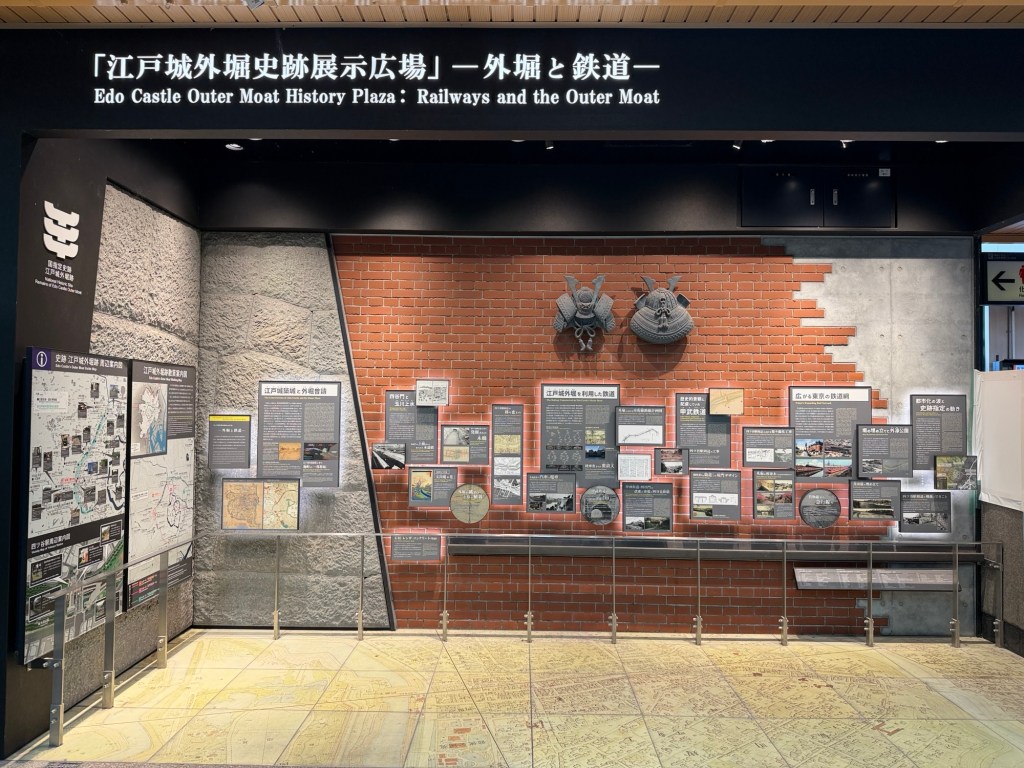
Ginza train station is an enormous underground maze.
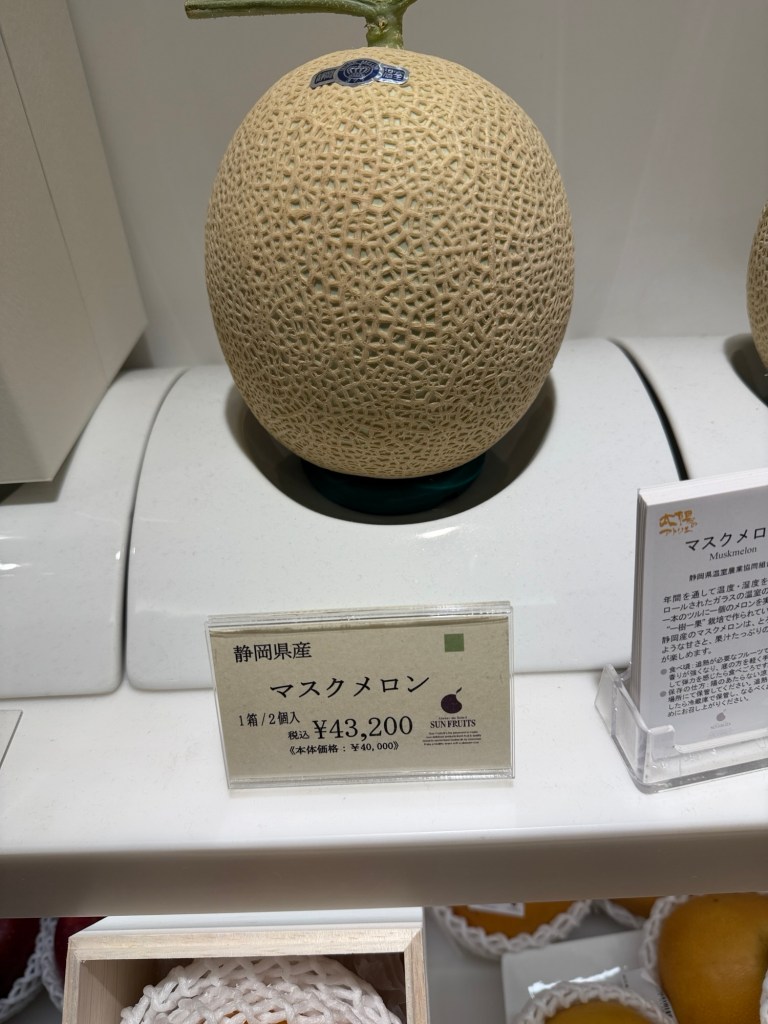
Some successful shopping


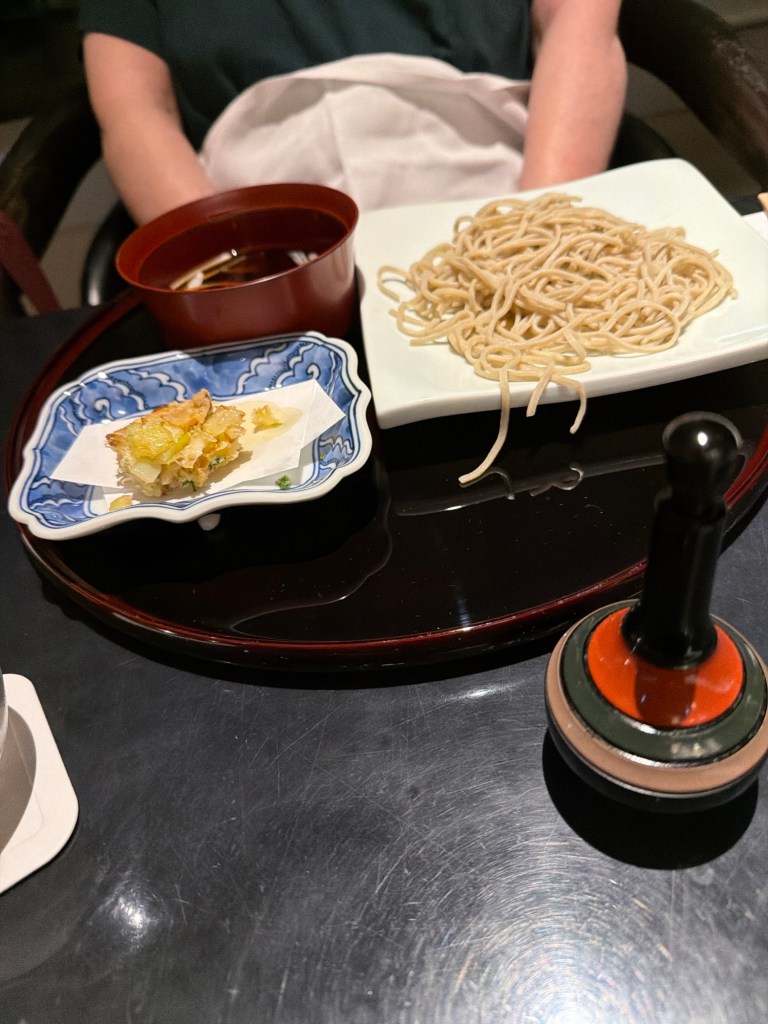
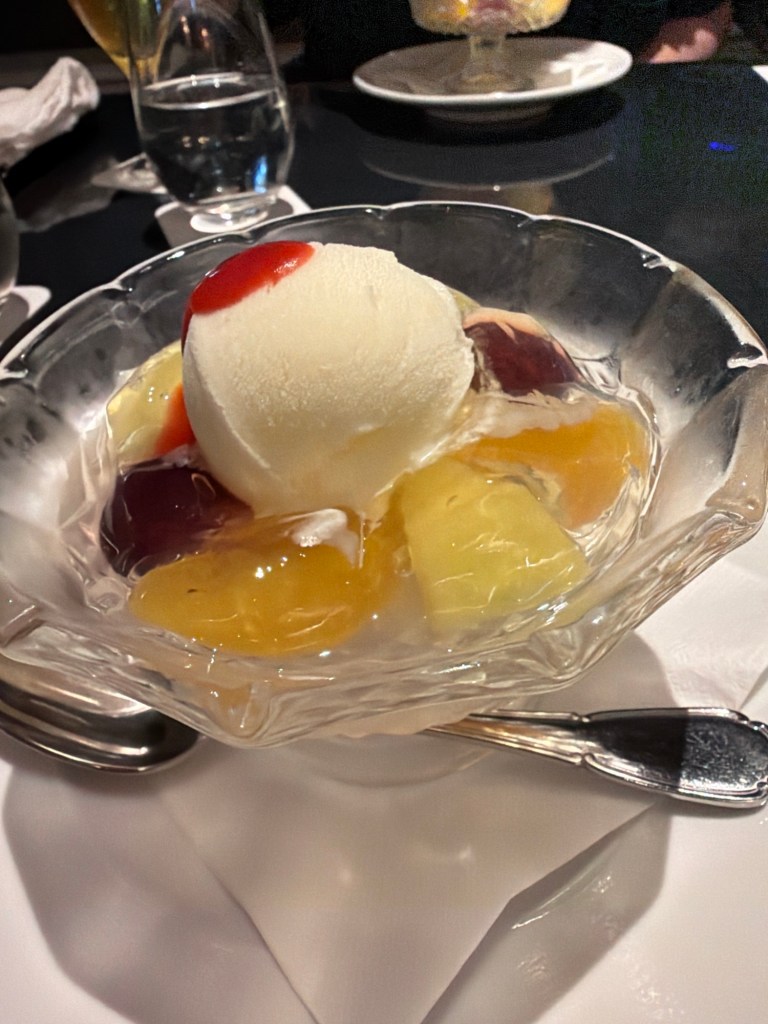
Dessert of course
A day of shopping wandering and eating, that is a normal day for us.
Ginza train station is an enormous underground maze.
Some successful shopping
Dessert of course
 | Dianne J Ellsworth on Manchester final day |
 | bmorgen1 on Manchester |
 | boogkb on Manchester |
| bmorgen1 on Manchester |
| boogkb on Boogs sack the UK- Hike … |
 Boog's Blog
Which park/garden were you strolling in? Looks like some where around Tokyo Station/Imperial Palace/Marunouchi , but don’t see any distinctive landmarks. Takashimaya melon or Otani basement? Your lucky they are in season 🙂
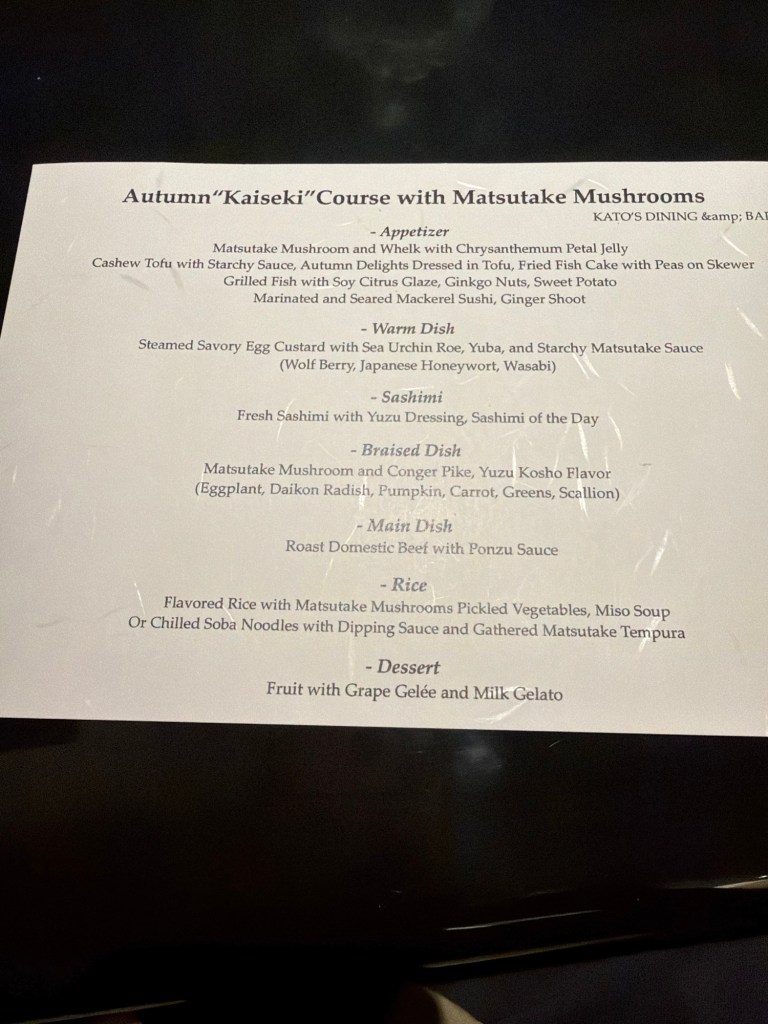
Interesting to see the “Kaiseki” in quotes, since it’s more “kaiseki-ish” 🙂 The clue that this is aimed at visitors is the “Main Course” section since there really is no main course in a kaiseki meal; the menu could probably be rearranged to be more conventional kaiseki (see https://en.wikipedia.org/wiki/Kaiseki). How were the dishes?
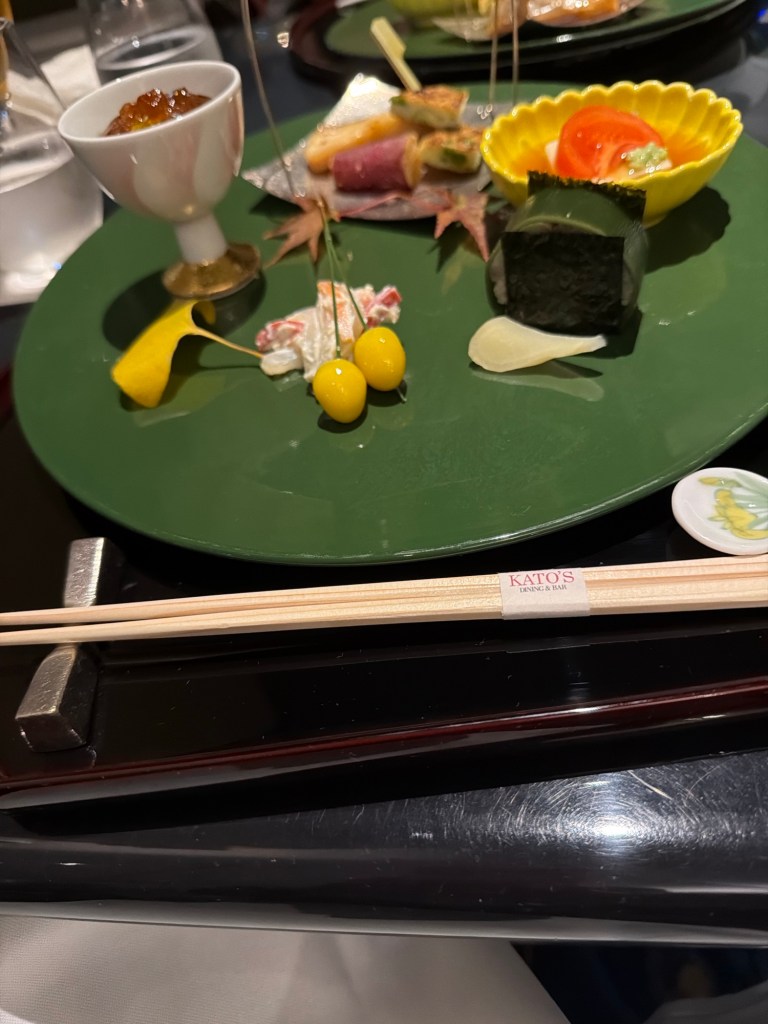
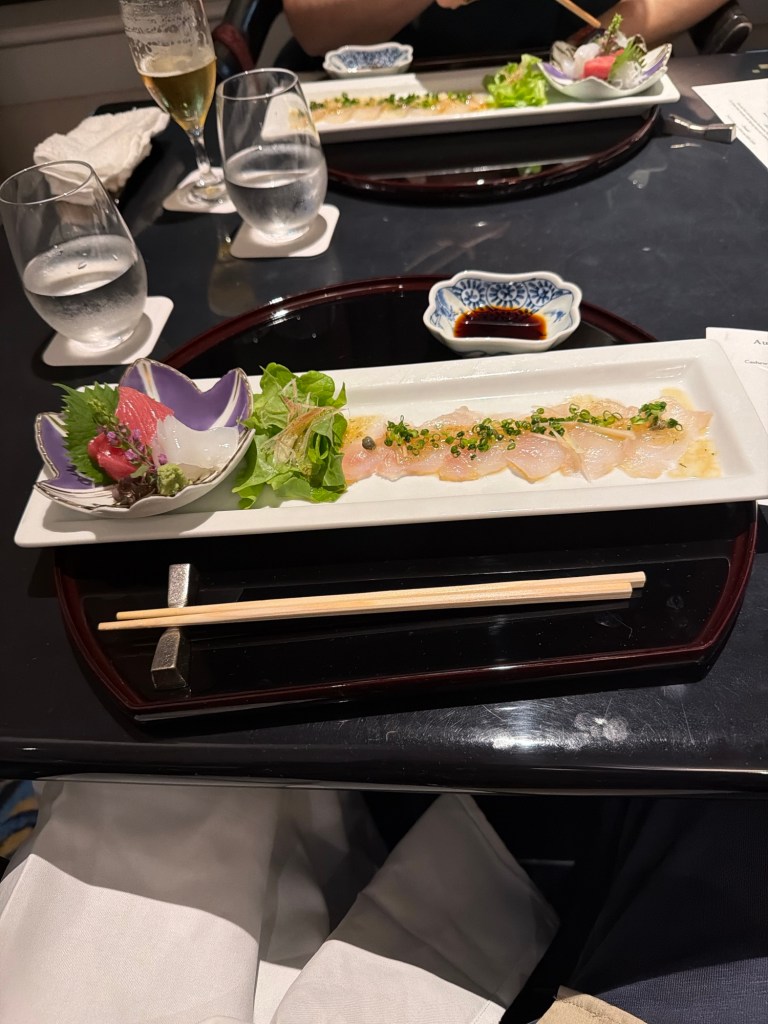
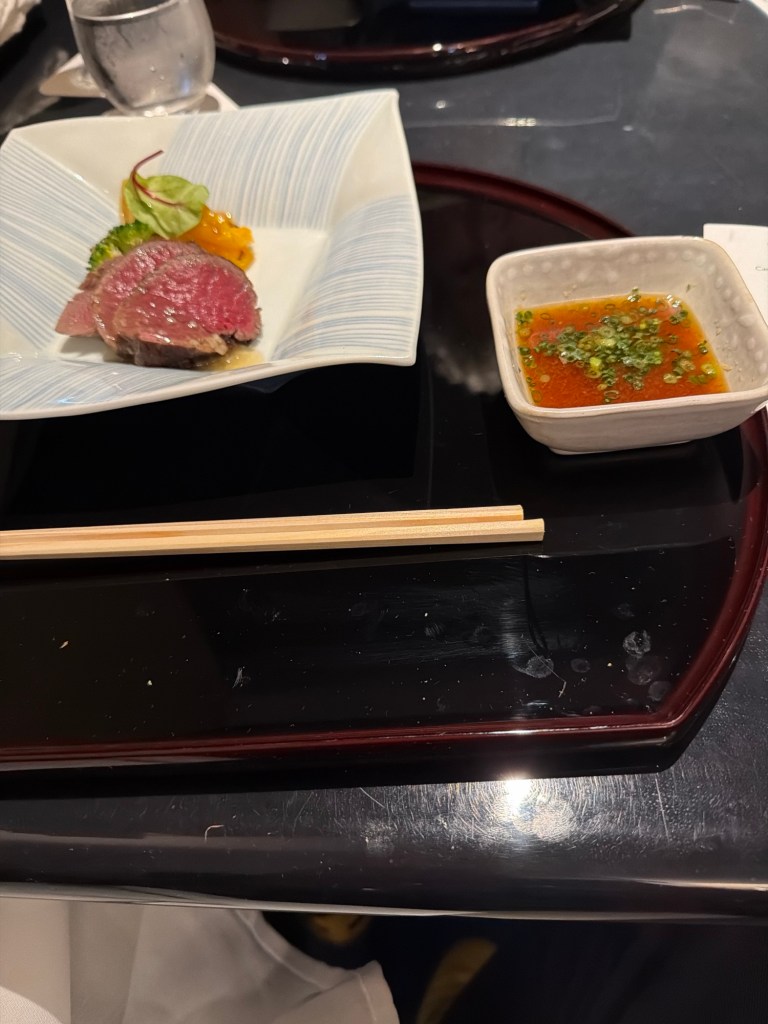
Running off to breakfast so I will answer this quickly. We were south of the palace, heading north into the palace gate area. I don’t know the name of the park. we were coming from Maronouchi. Melon was from Mitsukoshi downstairs. As to the Kaiseki dinner, I agree with you we asked the concierge at the new Otani to put together a recommendation for a traditional non-western Kaiseki. He recommended the restaurant in the hotel. Actually there are several Kaiseki ones in this big hotel Eye-to was quite surprised by the dish and the menu. The food of course was uniformly good as you would expect at a high-end place.
I hit reply to your comment using the WordPress secti
So you could toss a few melons from Wal-Mart in your luggage and pay for the whole trip if you can find space on a street for your market stall. Tip: Save a couple for the judge.
Bill Park, sedentary tourist ======================
As I’m sure you know, these are gift melons, and their prices are famous.
still – what makes a melon worth $284? Are there only 3 grown every year? Are they watered with the the tears of puppies or whales? Are they delicious, or just cantaloupe?
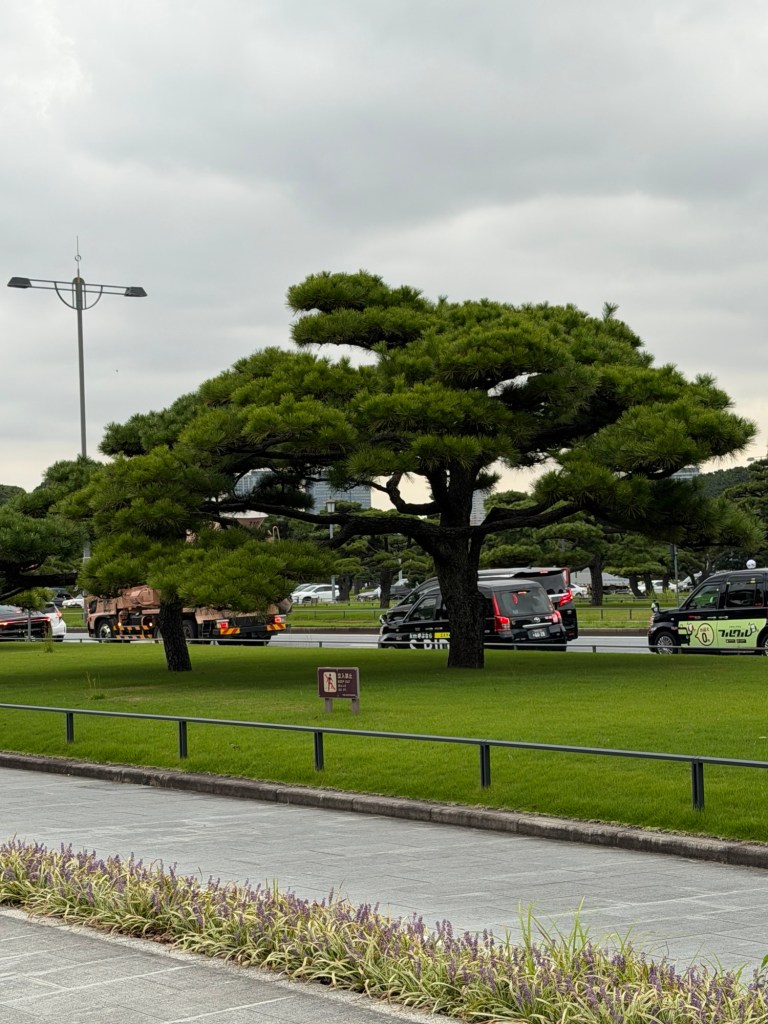
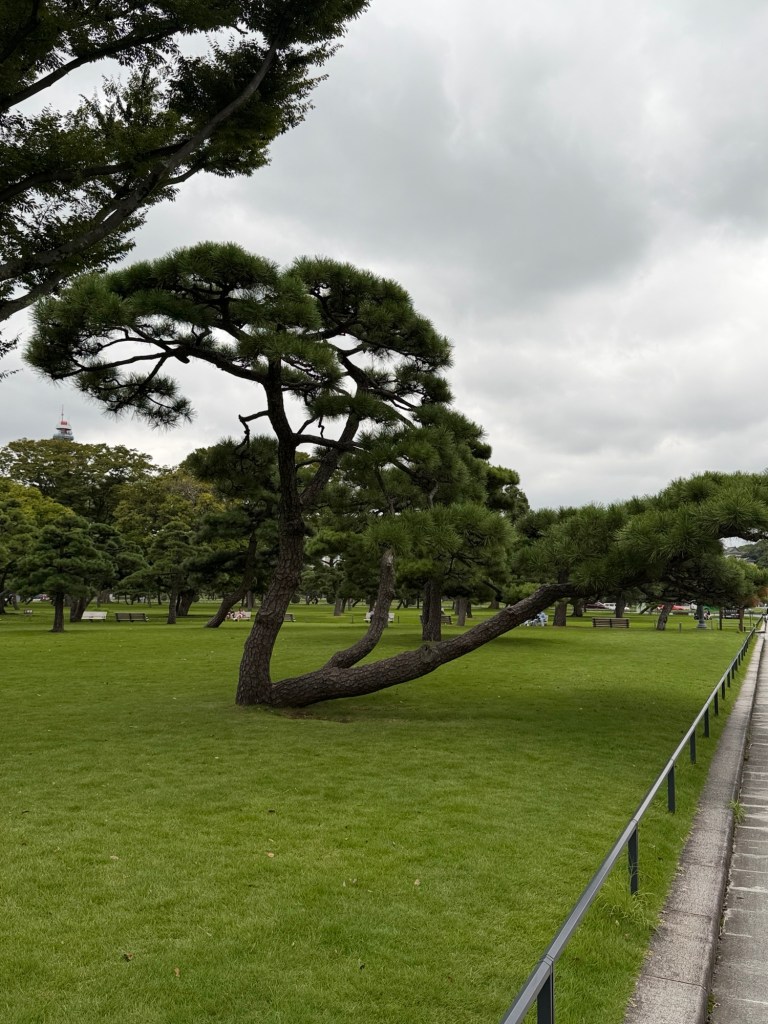
in that lovely park – do those trees occur in nature, or are they bonsaied into such perfection? if natural, what type and do they grow in other countries?
Excellent questions all. Suggest you discuss this with Tom since he knows much more about Tokyo. #CFT
Based on Jeff’s pictures and description of the location, I’m pretty sure that they were in Hibiya Park (https://en.wikipedia.org/wiki/Hibiya_Park) which is adjacent to the Imperial Palace – originally (well, after some Edo river management) was part of an estate occupied by high level Shogun associates and probably became Imperial property during the Meiji “Restoration.” It became one of the first Western style parks, i.e., lots of grass and open space, in late Meiji (early 1900s) and, like many parks around Tokyo, military assembly/training grounds until the end of WWII.
Most of the trees in this (and a lot of other Tokyo parks) are varieties of ginko (which is the official tree of Tokyo – you see the ginko leaf motif in much of the Metropolitian “branding” (https://en.wikipedia.org/wiki/Symbols_of_Tokyo). In most major gardens and parks, the trees are well groomed to maintain these shapes, but often the street versions (they line a LOT of streets) are just trimmed and leaves swept up. The Bonsai versions are often modeled after those trees in the gardens, which is a basic form you see in a variety of trees in various gardens.
UPDATE FROM JWG: These particular trees are black pines ( 黒松 kuromatsu) per George, the consulting botanist. I thought they didn’t look like ginkos, but went with my old recall. Further to George’s advisory:
Here’s how you can tell:
Thanks to George and Jeff for the clarification.
Good food porn!