
and even earlier start this morning well before 5 AM so we can get to see panna national Park before the sun rises
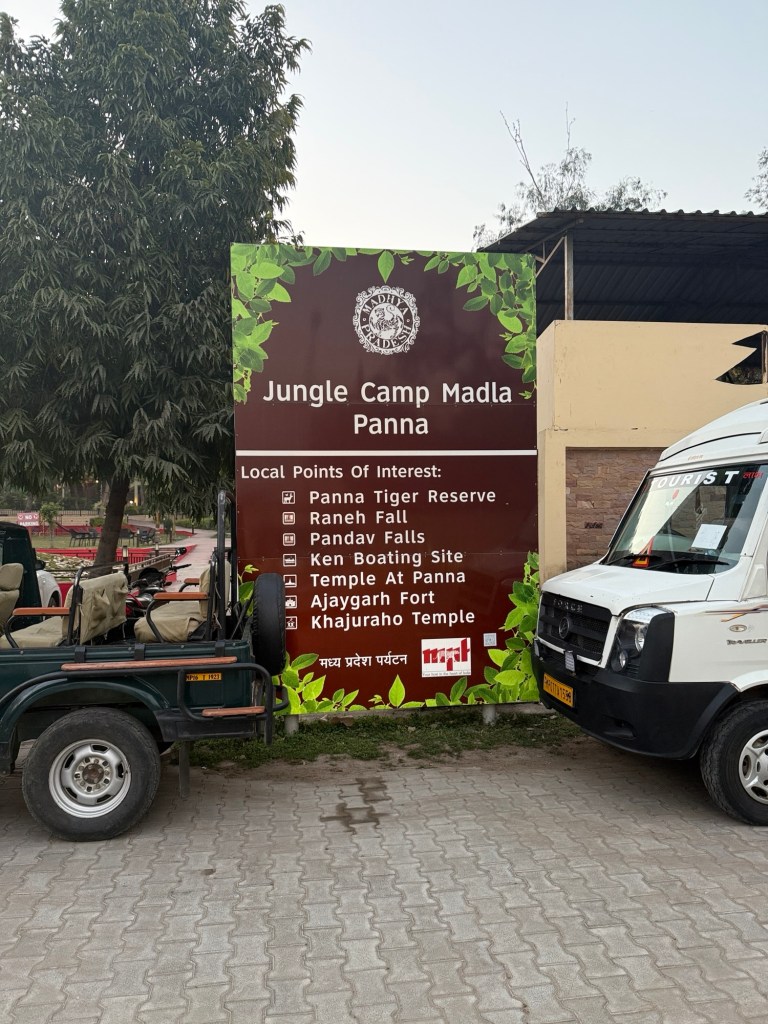
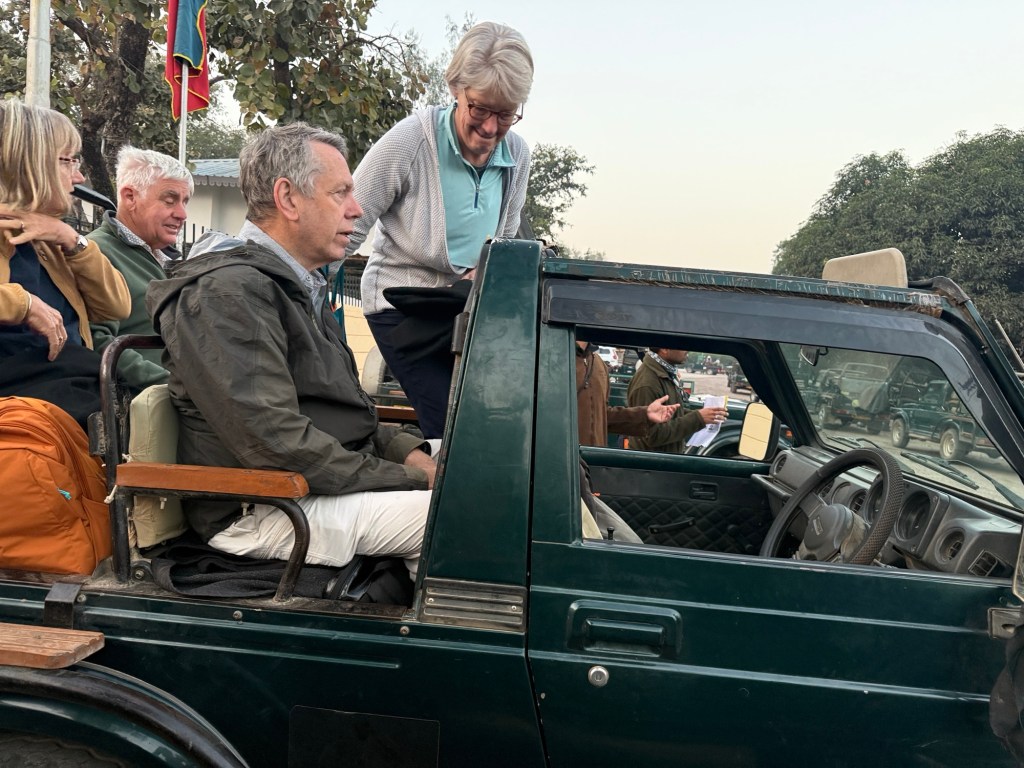
A quick cup of coffee and a Jeep ride to a big bus our big bus then drove for over an hour to get us to a point in the park. once again, lots and lots of travels to getting into interesting places.
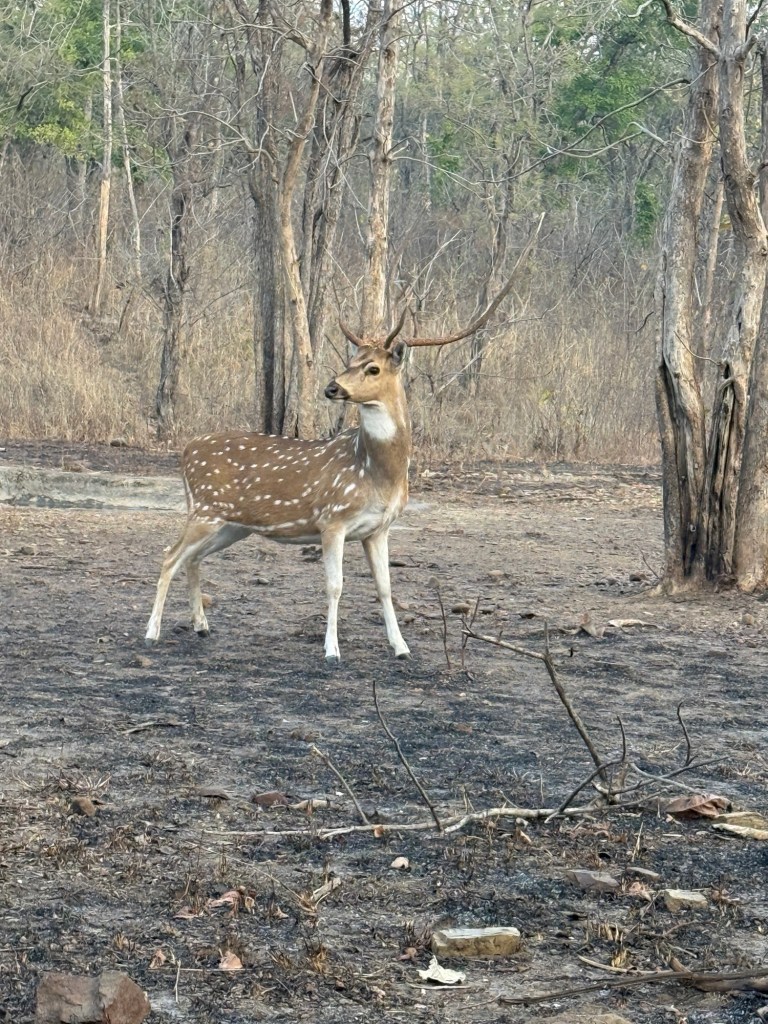
we drove for a significant amount of time through the forest before we got to the Tiger area, but saw lots of wildlife before we arrived. The guide seems to know where this tiger likes to hang out at this time of day.
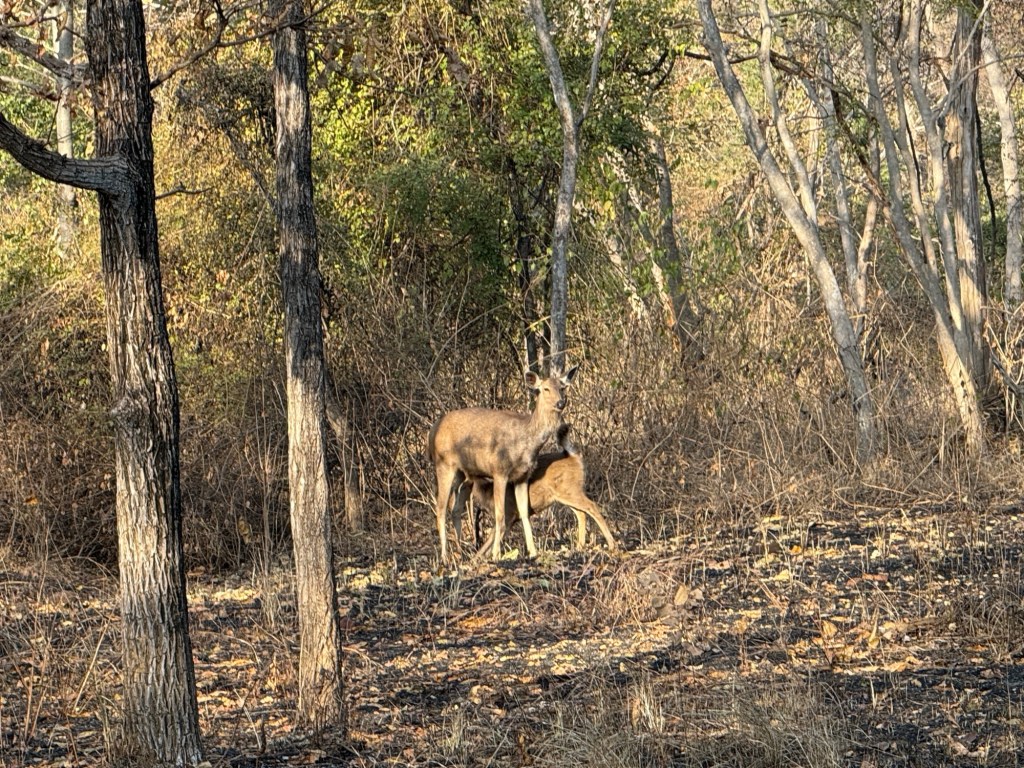
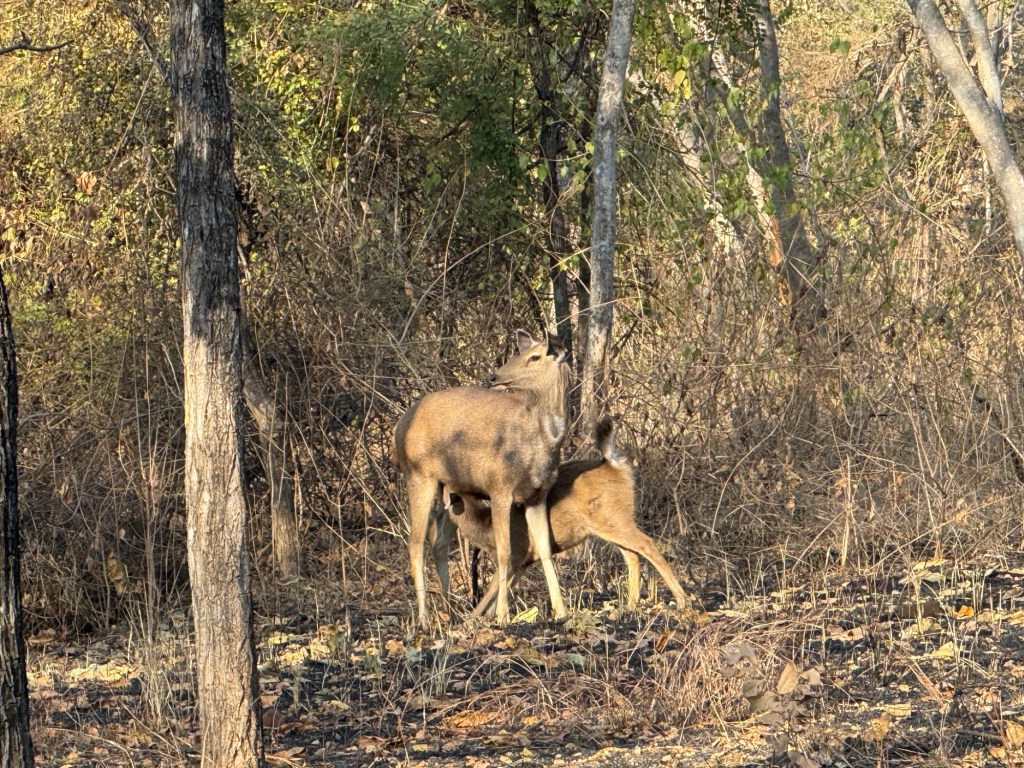
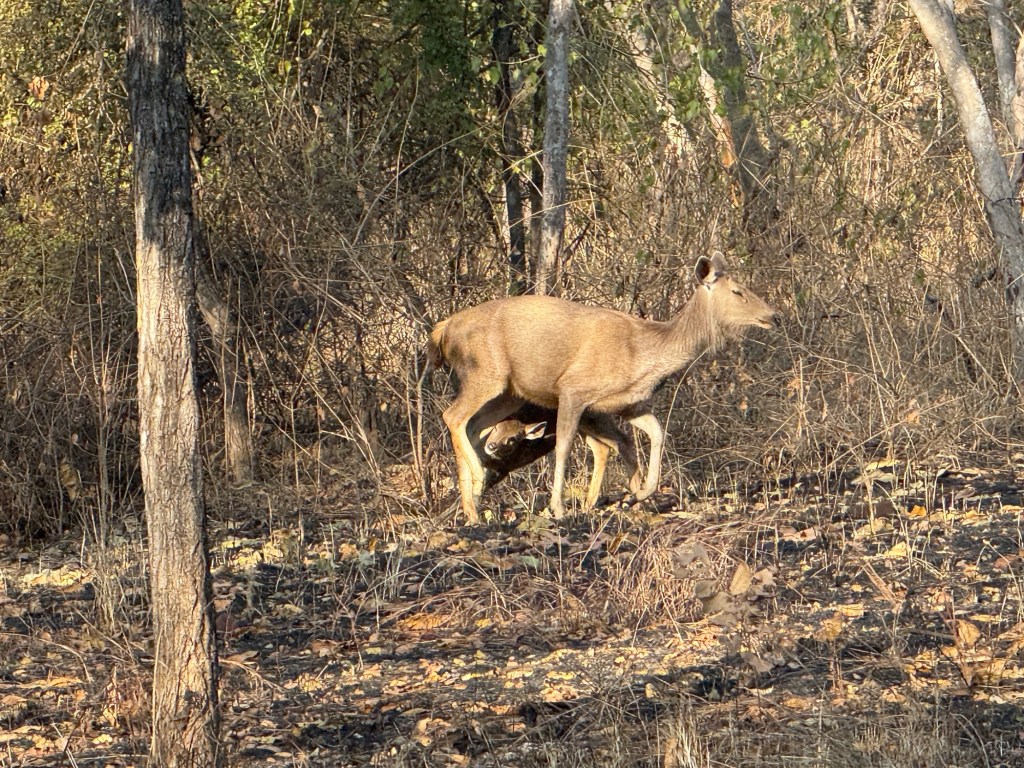
Many deer with impressive horns roam the vast wilderness, undeterred by the presence of a tame elephant in the park. The elephant’s size serves as a natural deterrent against tigers, making the park a haven for wildlife.
The deer are a main stay for the Tigers, which can consume about 40 to 50 kg at a kill.
The forest is a vibrant ecosystem, with a high percentage of mature teak trees, some of which are over 15 years old, but of a variety different than the south, where they are cut commercially
according to the guides, I think this was accurate this time, we were extremely fortunate maybe one of the best tiger sightings they have seen. this large mail hung around and even crossed the road in front of us apparently it almost never does that. The jeeps must’ve been just far enough apart.
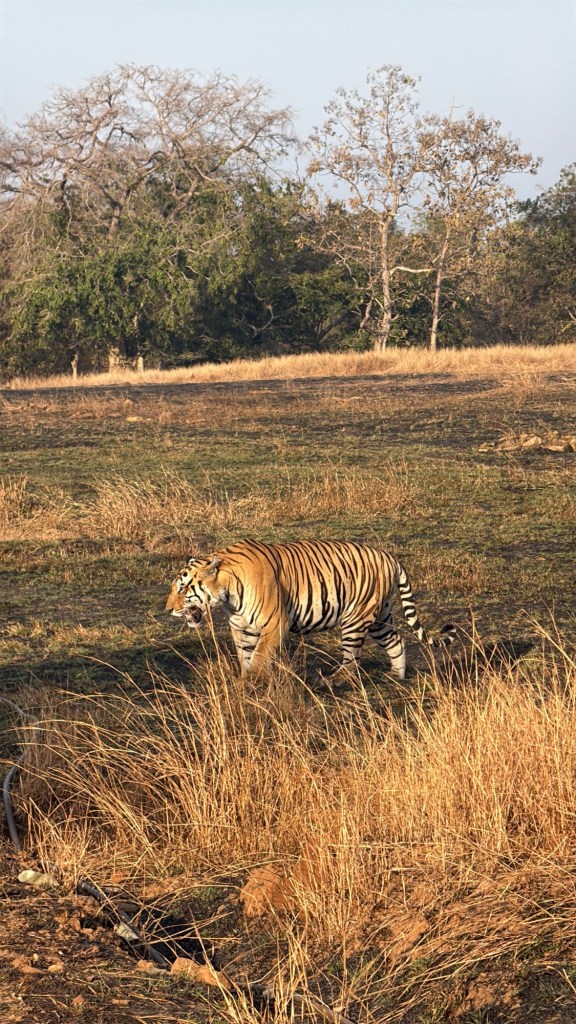
The proximity of tigers and people has led to years of fear and avoidance for the animals, causing a decline in their natural behaviors.
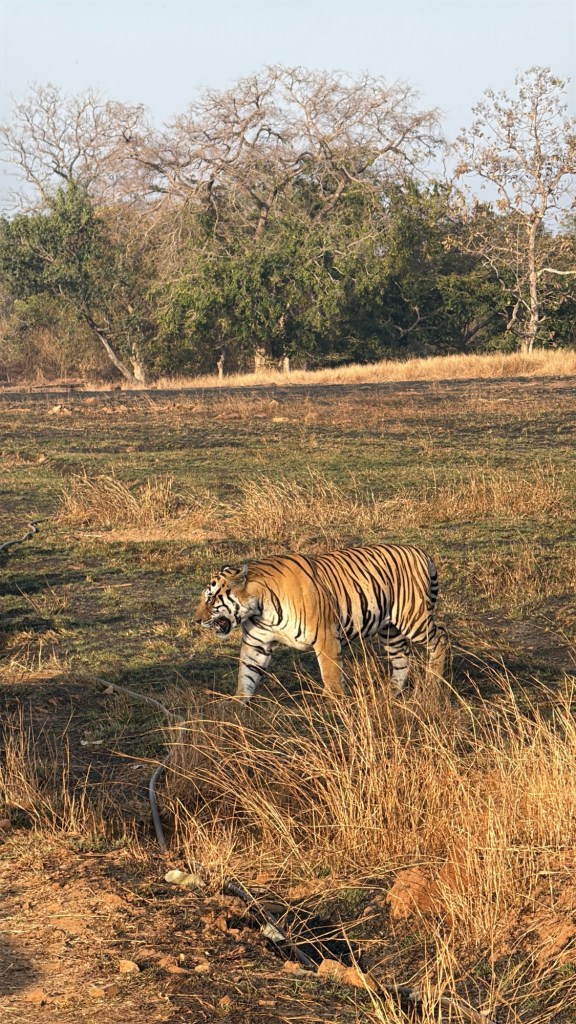
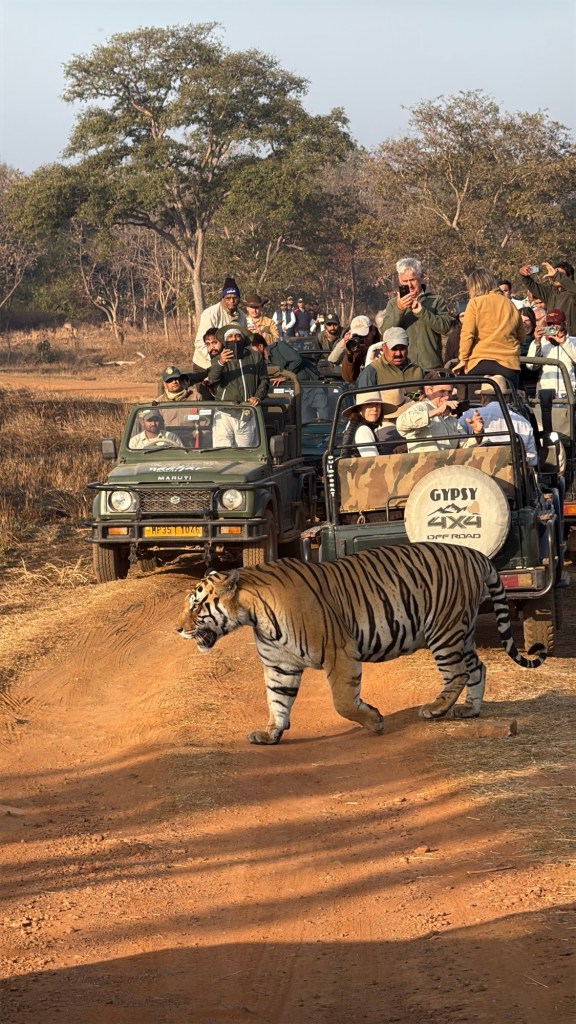
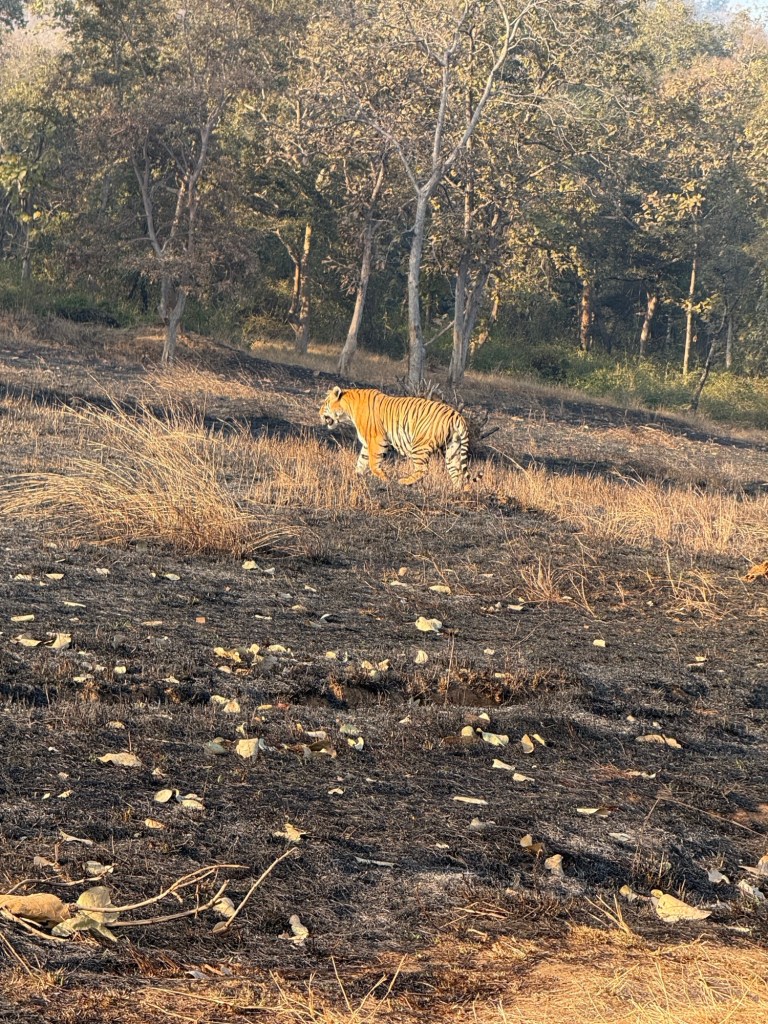
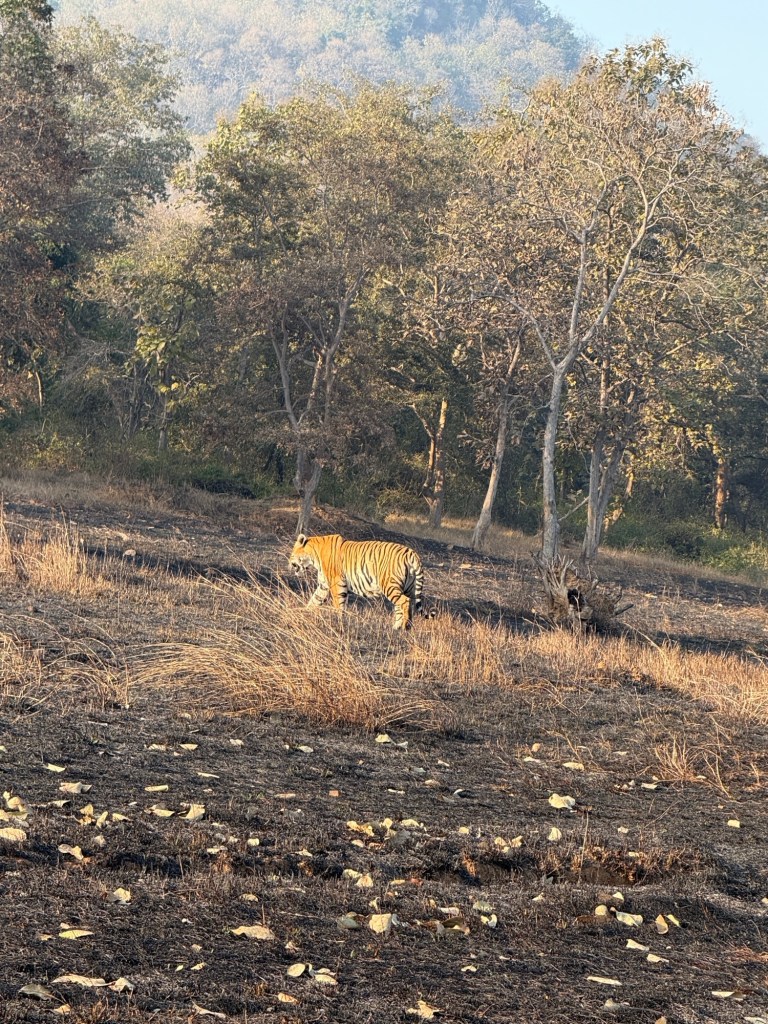
The Tigers are basically shy and they will run away if you approach them, but if it least bit cornered: fight or flight.
To preserve the delicate balance of the forest, only 35 jeeps are allowed inside, and their speed is restricted to 25 kilometers per hour. Visitors are required to have their odometers checked upon entry to ensure compliance with the speed limit and prevent speeding. While this system has its flaws, it’s a crucial step in protecting the forest’s biodiversity.
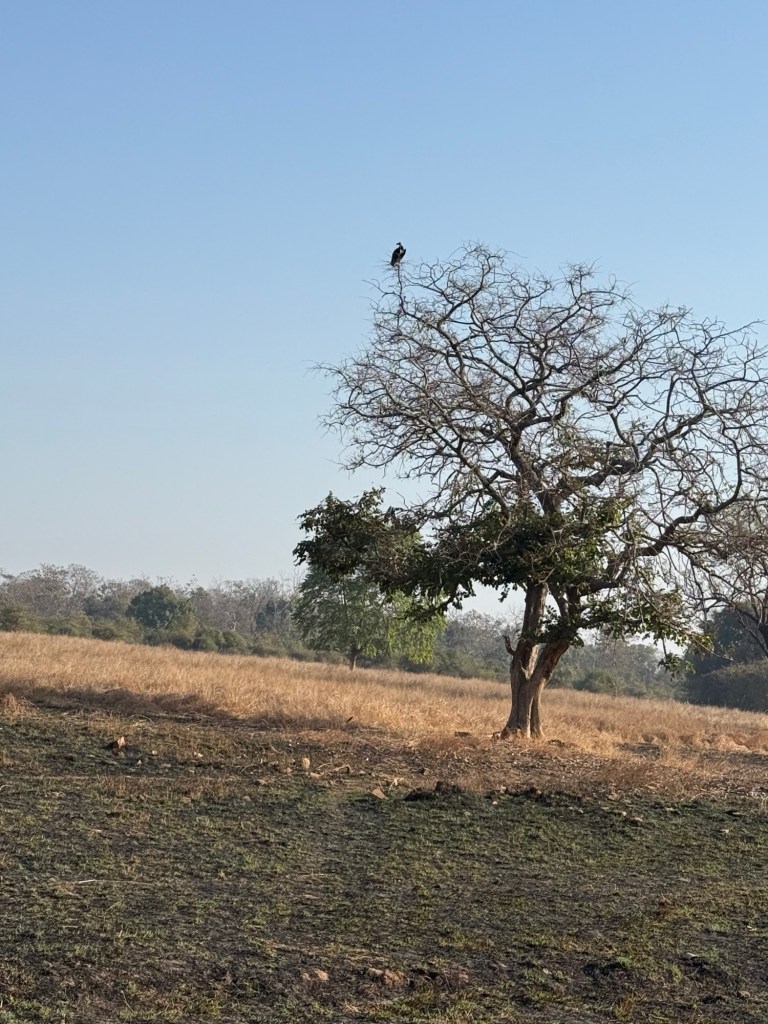
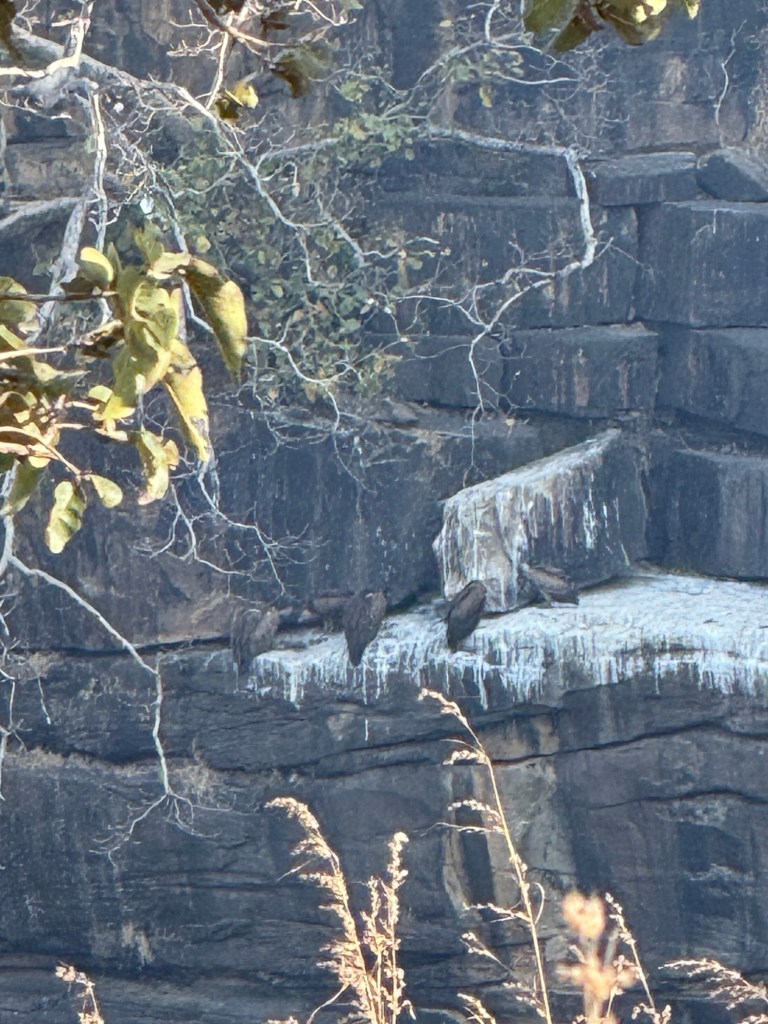
During our visit, we encountered a red headed king vulture perched on a tree, said to be the largest vulture species in the world. The king vulture was patiently waiting for the remains of a previously unseen kill. also saw the lapwing.
As we made our way back to the village, we noticed that no one was using their horns, which were prohibited in the park.
My usual breakfast when I am home in Palo Alto 
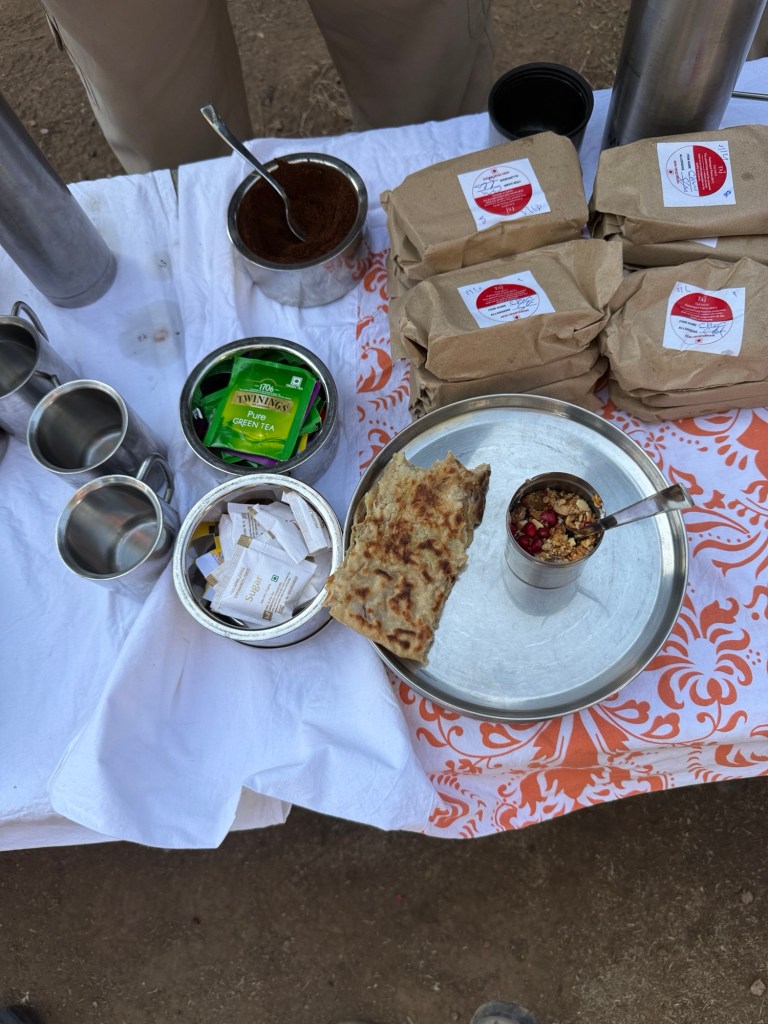
Breakfast included yogurt, granola, and pomegranates.
If you see tigers, you won’t see leopards because tigers kill leopards. Tigers are very shy animals but leopards have learned to keep away from them.
There was a region in India where tiger attacks used to occur when people went into the forest to pick grasses and other things. The farmers were bending down on hands and knees, and looking very small The farm tigers would attack them. They solved the problem by putting human faces on the back of their heads as a mask
Granola, yogurt, and fruit for breakfast in the forest.
We saw the tigers at about 8 AM after getting up at 5 AM. It was a long trip there on extremely sandy and bumpy roads through the forest. We stayed there for a while, had lunch at the roadside, and then took the bus back. It was very inefficient for a way to travel.


 Boog's Blog
Incredible to see such beasts actually occur in nature – and you were so close to him!!
Sorry travel to inaccessible places to see rare endangered species is so inefficient. Next time try riding on half wild elephants – probably just as inefficient, but whet an adventure…